100%
CE & REACH Compliance
25mm+
High-Density Shock Armor
150,000+
Monthly Bag Output
< 0.3%
Defect Rate Assurance
Factory Precision Showcase
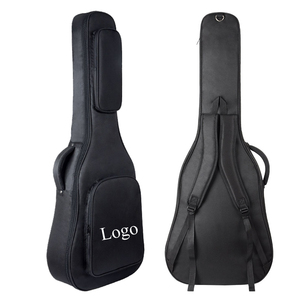
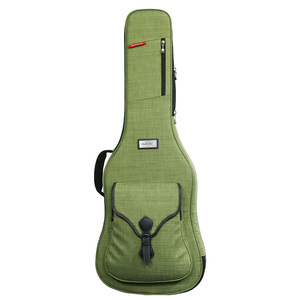
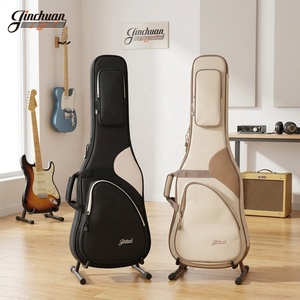
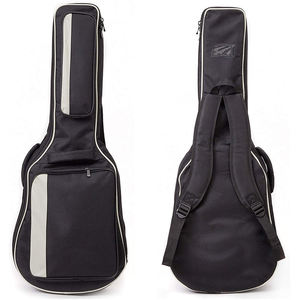
Precision-Engineered Instrument Gig Bags
Explore our certified catalog of protective carrying cases engineered specifically for electric, acoustic, and hybrid guitars with custom branding capabilities.
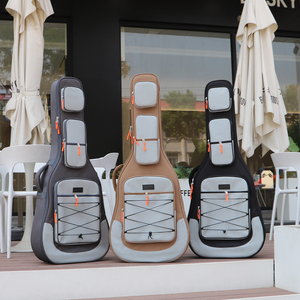
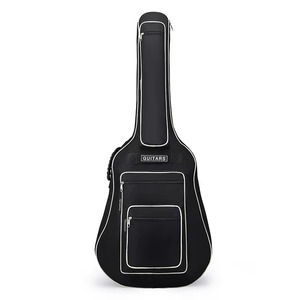
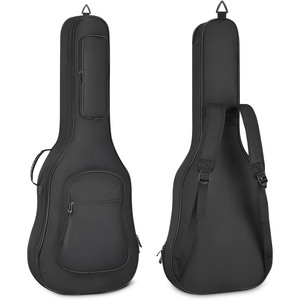
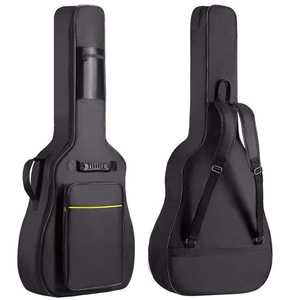
Manufacturer Authority
Why Tier-1 Brands Source From Our Facility
Combining heavy-duty composite textile science with certified lean manufacturing systems for the global musical instrument trade.
CE & REACH Compliance
Every batch of high-density textile, closed-cell foam, and PVC/PU laminate is laboratory-tested to ensure zero hazardous phthalates and compliance with strict European CE chemical directives.
Structural Integrity Testing
Equipped with computerized pull-testers, dynamic drop jigs, and moisture chambers to validate handle tensile loads exceeding 45kg and zip endurance across 15,000 cycles.
Full OEM/ODM Engineering
From CAD dimensioning for non-standard 7-string, multiscale, or acoustic bass frames to precision laser embroidery and silk-screened silicone logos with ultra-fast sampling.
Optimized Export Logistics
Vacuum-compression bulk packaging solutions reduce cubic meter footprint by up to 55%, dramatically curtailing ocean freight and overseas warehousing expenses.
Industry Whitepaper Insights
Emerging Procurement Trends Shaping Global Supply Chains
Strategic market analysis for distributors, wholesalers, and retail chains planning future inventory investments.
1. Transition to Hybrid Hard-Soft Enclosures
Procurement directors are shifting away from heavy wooden hardcases toward lightweight hybrid gig bags featuring molded ABS sheets encased inside 1680D ballistic ballistic polyester. These models deliver flight-case level puncture protection while lowering container shipping costs and matching urban lifestyle preferences.
2. Zero-Carbon & Recycled Fiber Mandates
International environmental regulations, specifically within the European Union, are driving procurement towards GRS (Global Recycled Standard) certified rPET textiles derived from post-consumer plastics. Retailers are actively replacing petroleum-based outer shells with recycled options without compromising abrasion limits.
3. Vacuum Compression Optimization
Freight rate volatility has made volume reduction paramount. Factories capable of executing vacuum-seal bulk packaging without deforming closed-cell EVA or memory foam padding provide massive economic leverage, effectively doubling the instrument bag capacity of standard 40HQ ocean shipping containers.
| Material Configuration | Tensile Strength | Waterproofing Rating | Impact Dissipation | Recommended Use Case |
|---|---|---|---|---|
| 600D Oxford + 10mm EPE Foam | Medium (>650 N) | Water-Resistant (PU Coating) | Basic (Student level) | School bands, daily casual practice |
| 900D Matte Nylon + 20mm High-Density Sponge | High (>1100 N) | Waterproof (Double Membrane) | Intermediate (Drop tested 1.2m) | Regional commuting, weekend gigging |
| 1680D Ballistic + 25mm Multi-Layer EVA + ABS Plate | Extreme (>2200 N) | Hydrophobic Sealed Waterproof Zippers | Professional (Drop tested 2.0m) | Airline travel, touring pros, luxury instruments |
R&D Roadmap
Next-Generation Protective Bag Technologies
Continuous investment into mechanical dampening, climate isolation, and user ergonomics ensures your brand stays ahead.
Thermo-Insulative Microclimates
Rapid thermal transitions cause checking in lacquer finishes and rapid neck warping. Our next-generation R&D incorporates aerogel reflective foil liners that buffer interior temperature spikes during tarmac transit or extreme sub-zero weather conditions.
Orthopedic Load-Distribution Harnesses
Modern gig bags are personal luggage. Integrating ventilated EVA lumbar channeling with curved honeycomb shoulder straps shifts 60% of instrument weight from the trapezius muscles onto the body's skeletal center of gravity, mitigating musician fatigue during urban commuting.
Dual Neck-Cradle Suspension Systems
Headstock breaks constitute over 70% of fatal guitar impacts. We utilize moldable memory foam neck blocks featuring dual heavy-duty hook-and-loop security belts that suspend the headstock floating above the bottom shell, neutralizing whiplash damage from forward drops.
Procurement Knowledge Base
Frequently Asked Questions by Purchasing Directors
Direct technical and operational answers to facilitate vendor evaluation and audit verification.
What specific standards are covered under your CE Certification for guitar bags?
Our CE-marked instrument gig bags comply rigorously with EN 71 safety frameworks and EU Regulation (EC) No 1907/2006 (REACH). This certifies that all exterior fabrics, interior velvet linings, foam cushions, vulcanized rubber pads, and metal zips are thoroughly tested and certified free from restricted azo dyes, polycyclic aromatic hydrocarbons (PAHs), cadmium, lead, and hazardous phthalates.
What are your standard OEM/ODM Minimum Order Quantities (MOQ)?
While standard custom production runs typically begin at 300 to 500 units per colorway/size configuration, our factory supports brand incubators and special-edition dealer runs with initial trial orders starting at lower thresholds. For stock in-line blank designs intended for local screen printing, no MOQ constraints apply.
How do you maintain structural foam integrity after vacuum compression shipping?
We employ virgin, closed-cell high-density crosslinked polyethylene (XLPE) and resilient EVA memory foams. Unlike low-grade recycled open-cell fillers that collapse permanently under sustained pressure, our polymer matrices maintain 98.5% elastic memory rebound within 2 to 4 hours of unboxing, preventing wrinkled facades and deflated edge protection.
Can your engineering team create bespoke patterns for non-standard guitar profiles?
Yes. Our internal pattern engineering department utilizes 3D CAD modeling. By providing your instrument's raw physical dimensions or a 3D STEP/IGES file (such as extreme Explorer, Flying V, multi-scale extended range, or hollow-body archtop profiles), we can draft custom master patterns, engineer weight-balance points, and deliver a physical sample within 7 working days.
What testing methodologies are used during factory in-line quality inspections?
Quality control is enforced via an AQL 1.5/2.5 inspection protocol across four phases: Raw Material Incoming Inspection (tear resistance and colorfastness), Pre-Assembly Stitch Testing (cross-box double reinforced bar-tacks on load points), In-line Zip Torture Cycling, and Final Packaging Drop Testing loaded with instrument ballasts.