Strategic B2B Product Recommendations
High-turnover stock models, educational entry bundles, and lutherie hardware crafted for private label guitar brands, distributors, and global franchise retailers.
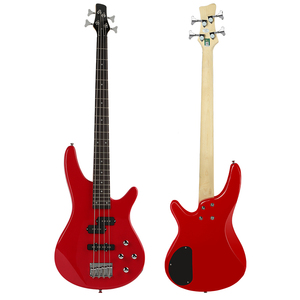
OEM/ODM Cheap 4-String Electric Bass Guitar 3 Single Coil Pickups Maple Neck Rosewood Fingerboard Basswood Body Model IB Minsine
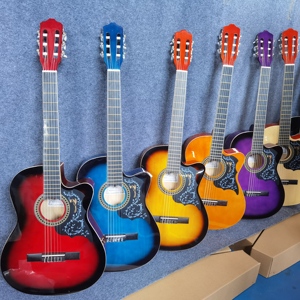
Full Size 39inch China Wholesale Natural Wood Color Classical Guitar Great Wood Practice Nylon Strings Guitar Classic
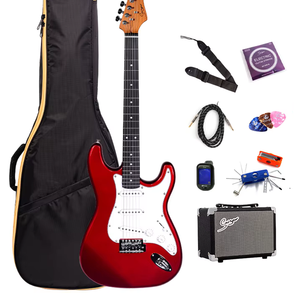
SMIGER L-G1M Brand Made in China E-shop Wholesale Price Custom Beginner St Electric Guitar Kit Pack with Guitar Amplifier
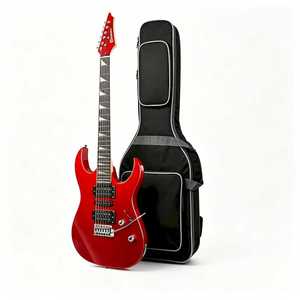
OEM Wholesale Hot Sale Cheap Basswood Body Maple Neck Rosewood Fretboard Multiple Colors Electric Guitar for Students Beginners
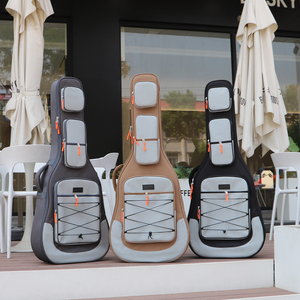
Factory Wholesale Waterproof Acoustic Guitar Bag 40/ 41 Inch Thick Foam Padded Double Shoulder Guitar Gig Bag With Big Pockets
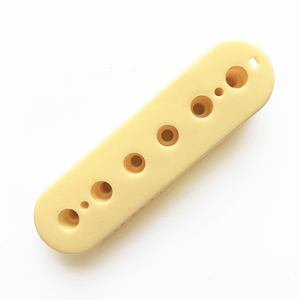
Wholesale 49.2mm 50mm 52mm Black White Ivory Humbucker Guitar Pickup Bobbin for Guitar Pickup Parts
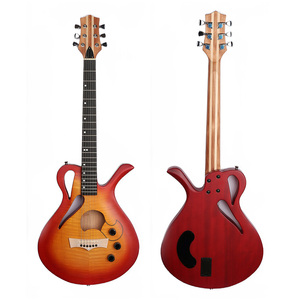
Customized high-quality personalized items Professional 6-String Electric Guitar - Handcrafted- Semi-Hollow Mahogany Body
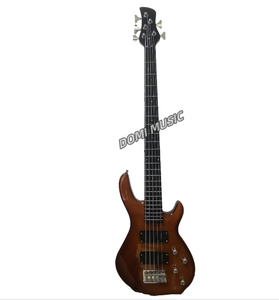
Wholesale Five-String Electric Bass Guitar with Multicolor Selection Rosewood Body
Enterprise Advantages: Industrial Scale Meets Lutherie Heritage
Operating as an integrated manufacturing partner backed by decades of North American distribution lineage under JAM USA LLC, we bridge the gap between traditional craftsmanship and hyper-lean manufacturing automation.
JAM USA LLC Proven Pedigree
Our operational architecture leverages the distribution standards, supply consistency, and stringent product management framework developed through decades of scaling international brands like Jay Turser across global consumer markets.
- Comprehensive catalog consistency across 300, LT, and 400 series architectures.
- Turnkey packaging solutions designed for container dropshipping and major retail chains.
- In-house acoustic and electronic prototyping labs staffed by veteran lutherie engineers.
Equilibrium Moisture Mastery
Wood instability is the single largest driver of post-sale warranty claims in fretted instruments. We eliminate neck bowing, sharp fret edges, and body shrinkage via computerized multi-stage drying cycles.
- Computer-controlled dehumidification kilns holding raw billet moisture at 8% to 10% EMC.
- Multi-week post-machining acclimation halls reproducing target market climatic conditions.
- Vacuum-pressure timber resin stabilization for high-humidity and low-temperature performance.
Micron-Tolerance CNC Machining
Combining 5-axis CNC routing with automated Plek-grade fret levelers guarantees consistent neck profiles, perfectly slotted nuts, and micro-calibrated neck-to-body pocket joints across every bulk production run.
- CNC neck joint routing with tolerances within ±0.02mm for uninterrupted acoustic resonance.
- Automated 24-fret crown-and-polish stations preventing fret sprouting and buzzing.
- Precision-wound Alnico and Ceramic pickup assemblies with shielded cavity coating.
OEM Guitar Platform Specifications & Procurement Architecture
Direct comparisons across our primary instrument families to guide commercial merchandising planning, educational fleet allocation, and private-label positioning.
| Platform Series | Acoustic Architecture | Primary Tonewood Options | Hardware & Electronics | Target Market Application | Lead Time (Standard MOQ) |
|---|---|---|---|---|---|
| ST & TL Solid-Body | Contoured Double/Single Cutaway | Basswood, Alder, Roasted Maple | Custom Alnico/Ceramic Single/Humbuckers | Retail Brands, Educational Lesson Fleets | 30 - 45 Days (100 Units) |
| Semi-Hollow Archtop | Chambered Body w/ Maple Centerblock | Mahogany, Flamed Maple Veneer | Vintage Voiced PAF Humbuckers, Chrome Tuners | Mid-to-High Tier Boutique Brand Labels | 45 - 60 Days (50 Units) |
| Dreadnought & Concert | X-Braced Acoustic Resonance Vault | Sitka Spruce Top, Sapele/Agathis Back | Under-Saddle Piezo Preamp w/ Tuner (Optional) | Mainstream Acoustic Merchandising | 35 - 50 Days (100 Units) |
| 4 & 5-String Bass | Solid Deep-Tenon or Neck-Through | Basswood, Ash, Rosewood/Maple Board | High-Mass Die-Cast Bridges, Active EQ | School Orchestras, Stage Performance Lines | 40 - 55 Days (50 Units) |
| Junior & Travel Formats | 3/4 & 1/2 Scale Optimized Geometries | Poplar, Engineered Rosewood, Linden | Low-Tension Light Gauge, Enclosed Gears | Youth Academies, Holiday Promotional Bundles | 25 - 35 Days (200 Units) |
Strategic Sourcing: Future Trends in Guitar Manufacturing (2025–2030)
The global fretted instrument market is evolving rapidly. Forward-thinking musical instrument importers and brands must align their OEM strategies with four defining structural shifts.
1. Regulatory Adaptation & Alternative Tonewoods
Stricter enforcement of CITES regulations on Indian Rosewood (Dalbergia latifolia) and Lacey Act wood tracking has driven rapid adoption of thermally modified alternatives. Our manufacturing infrastructure incorporates torrefied maple, technical composite fingerboards (such as high-pressure phenolic laminates and Richlite), and local Paulownia wood for ultra-lightweight, carbon-neutral instrument bodies.
B2B buyers benefit from accelerated customs clearance, guaranteed tariff compliance, and reduced phytosanitary re-inspection bottlenecks at American and European container ports.
2. Torrefaction (Roasted Wood) at Industrial Scale
Previously reserved for custom shop boutique instruments, industrial-scale wood roasting (pyrolysis) is now a core differentiator for commercial guitars. By baking maple and spruce blanks in oxygen-free kilns at temperatures exceeding 180°C, hemicellulose and lignin breakdown mimics decades of natural aging.
This delivers exceptional structural rigidity, renders the neck immune to environmental humidity swings, and imparts a rich vintage acoustic resonance directly out of the box.
3. Turnkey Educational Kits & E-Commerce Packaging
Modern consumers demand comprehensive out-of-the-box experiences. Brands that procure bare instruments lose ground to those shipping integrated packages. Our manufacturing lines assemble ready-to-sell kits pairing custom-branded gig bags, digital clip-on tuners, low-noise shielded patch cables, picks, and tailored practice amplifiers.
All packaging is ISTA-3A certified for single-parcel transit, drastically lowering drop-ship return rates caused by package handling damage.
4. Eco-Friendly Electrostatic Finishing (Thin-Skin Poly)
Environmental standards in industrial finishing have moved away from heavy toxic solvent lacquers toward ultra-thin UV-curable and waterborne polyurethane finishes. Applied via multi-axis robotic electrostatic spray booths, these finishes achieve a layer thickness under 0.15mm.
This minimal footprint enables the wood to breathe and vibrate naturally like vintage nitrocellulose, while providing superior resistance to impact cracking and weather checking.
Frequently Asked Questions: Bulk OEM & ODM Guitar Purchasing
Direct technical answers addressing minimum order thresholds, custom branding, logistics management, and structural quality assurance.
What is the typical Minimum Order Quantity (MOQ) for custom OEM guitar production?
How do you manage tonewood stability and prevent neck warping in variable climates?
Can we specify custom neck carves, electronic voicings, and headstock profiles?
What international documentation and environmental certifications are provided?
How are instruments packaged to prevent humidity and physical damage during maritime transit?
Launch Your Private Label Line or Expand Commercial Assortments
Consult directly with our engineering division on technical product blueprints, custom OEM/ODM toolings, or immediate bulk quotation schedules for seasonal delivery cycles.
Send an Inquiry