B2B Global Manufacturing & Supply Chain White Paper

Custom OEM Private Label Guitar Manufacturers & Exporter

Precision Tonewood Engineering, End-to-End Private Label Manufacturing, and Tier-One Quality Assurance for Global Importers, Distributors, and Brand Owners.

25+
Years Acoustic & Electric Engineering
120,000+
Annual Finished Export Capacity
±0.02 mm
CNC Milling & Fret Leveling Accuracy
100%
CITES & Lacey Act Timber Compliance
Precision Manufacturing Portfolio

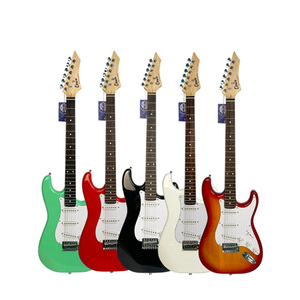
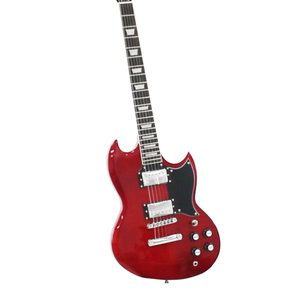
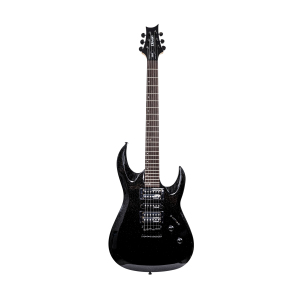
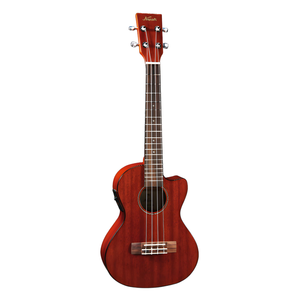
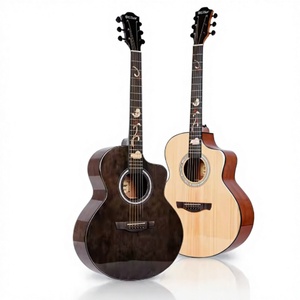
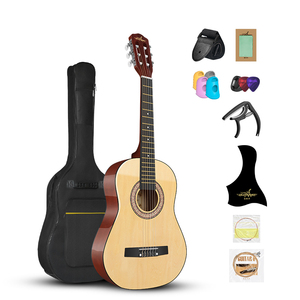
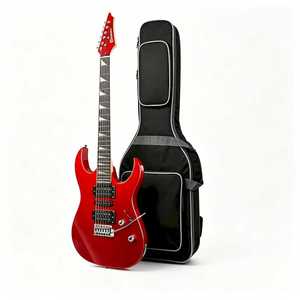
Featured OEM / ODM Guitar & Bass Configurations

Engineered for turn-key private label programs. Each instrument is fabricated using kiln-dried resonance timbers, automated CNC neck shaping, hand-dressed frets, and custom electro-acoustic hardware.

Engineering Authority: Built on Decades of Precision Fretted Instrument Craft

Rooted in the rigorous manufacturing traditions that power celebrated industry brands such as Jay Turser and JAM USA LLC, our production ecosystem bridges Old-World lutherie wisdom with high-throughput computerized fabrication. We empower musical instrument brands, educational chains, and regional distributors to scale private label portfolios without compromising acoustic integrity, structural durability, or margin viability.

Kiln Drying & Moisture Equilibrium

Our multi-chamber vacuum kilns stabilize raw billets between 6% to 8% internal moisture content, preventing body checking, fret sprout, and neck warpage under extreme climate shifts.

Multi-Axis CNC Precision

Automated multi-spindle CNC machining achieves exact neck carves, consistent pocket-to-heel tolerances within ±0.02 mm, and flawless pickup cavity routing across massive production runs.

Strict CITES & Lacey Act Traceability

Every cubic meter of Spruce, Mahogany, Maple, and Rosewood is legally verified, chain-of-custody certified, and provided with comprehensive export clearance certificates for hassle-free customs entry.

Turn-Key Private Labeling

Comprehensive bespoke options: silk-screened or mother-of-pearl peghead logos, customized neck plates, proprietary pickup voicings, color-matched hardware, and drop-test certified retail cartons.

Strategic Sourcing Intelligence

Global Guitar Sourcing & Procurement Trends: 2025–2030

In an evolving retail landscape dominated by omnichannel commerce, direct-to-consumer (D2C) pressures, and international trade governance, procurement directors must evaluate manufacturers based on agile production capability, regulatory resilience, and comprehensive value optimization.

1. Shift Toward Tiered Private Label Architecture

Modern musical instrument retailers and e-commerce aggregators are rapidly diversifying beyond conventional legacy brands. The proliferation of premium private labels allows retailers to achieve gross margins exceeding 48% to 62%, compared to the compressed 22% to 28% typical of branded distribution models. Forward-thinking procurement strategies divide product catalogs into three distinct tiers:

Tier Category Target Demographic Recommended Tonewoods & Specs Wholesale Target Margin
Foundational Starter Students, School Music Programs, Beginners Basswood / Poplar Body, Maple Neck, Ceramic Pickups 55% – 68% Margin
Intermediate Core Home Recording Artists, Active Gigging Musicians Alder / Mahogany, Roasted Maple, Alnico V Pickups 45% – 58% Margin
Pro-Boutique Spec Collectors, Studio Players, Premium Enthusiasts Bookmatched Flame Maple Tops, Stainless Frets, Active EQ 40% – 52% Margin

As demonstrated across our multi-series export lines—from the versatile 300 Series solid body electric platforms to our handcrafted Jay J acoustic dreadnoughts—partnering with an integrated OEM enables brands to establish identical chassis tooling across multiple tiers while modulating electronics and timber selections to satisfy each price corridor.

2. Supply Chain De-Risking, Buffer Inventory & Modular SKUs

Ocean freight volatility, tariff re-evaluations, and post-pandemic warehouse inventory adjustments have transformed procurement protocols. Institutional guitar buyers have shifted from volatile "Just-In-Time" (JIT) methods toward "Just-In-Case" (JIC) regional buffering. We support our enterprise partners through:

  • Standardized Sub-Assemblies: Shared neck pocket profiles across electric configurations (ST, TL, and Offset silhouettes) enabling rapid SKU variants without new CNC toolpath setup charges.
  • Staggered Sea-Freight Consolidation: Mixing acoustic dreadnoughts, student nylon acoustics, 6-string solid body basses, and tenors within single 40-foot High Cube (40HC) container shipments, maintaining balanced shelf replenishment while mitigating stockouts.
  • Factory Buffer Stocks: Holding seasoned timber reserves and semi-finished unfinished bodies in our humidity-regulated warehouse to compress lead times to under 30 days during peak Q3/Q4 holiday cycles.
The Horizon of Lutherie

Technological & Material Evolution in Modern Guitar Manufacturing

Stringed instrument production is experiencing an industrial renaissance. From molecular-level timber torrefaction to robotic electrostatic finishing, modern factories deliver levels of consistency, acoustic projection, and environmental durability that were historically unattainable.

Thermal Torrefaction (Baking)

By thermally treating neck maple and acoustic soundboards in oxygen-depleted chambers above 190°C, hemicellulose and volatile resins are crystallized. This replicates decades of natural wood aging, enhancing resonance while drastically minimizing sensitivity to ambient humidity spikes.

Sustainable Eco-Alternative Fretboards

In response to international CITES regulations governing Dalbergia rosewood species, we have pioneered thermo-treated laurel, black richlite composites, and high-density purpleheart. These eco-certified fretboards match the density and warm tactile response of Indian Rosewood while expediting zero-delay customs clearance worldwide.

Computerized PLEK & Laser Leveling

Eliminating fret buzz and unpredictable string actions: our high-volume production lines integrate automated scanning and laser-guided fret crowning. Under genuine simulated string tension, every fret is calibrated to a tolerance of 0.01 mm, drastically reducing downstream setup labor for international importers.

Ultra-Thin UV Curing Polyurethane

Departing from thick, tonally suffocating polyester lacquers, our cleanroom spray lines employ specialized UV-cured thin coatings (0.08 mm thickness). This preserves natural wood resonance and harmonic overtones while offering robust resistance to cosmetic scratching and finish checking.

Acoustic Composite Bracing Structures

Incorporating scalloped Sitka bracing augmented with carbon fiber lattice laminates within acoustic tops. This structural refinement permits thinner soundboards with explosive dynamic responsiveness, preventing belly bulging around the bridge under high string tension.

Shielded Cavity & Microphonic Rejection

Electric guitar and bass pickup assemblies feature paraffin-beeswax vacuum potting, nickel-silver baseplates, and internal cavity conductive carbon grounding paint. This minimizes EMI 60-cycle hum and high-gain microphonic squeal across all OEM electronics packages.

Six-Stage Factory Verification

Our Quality Control Protocol: From Log to Container

Every private label production order is tracked through strict quality gates to guarantee zero-defect international delivery.

Gate 01

Lumber Arrival & Hydrometer Audit

Electronic pinless moisture verification across top, center, and end-grain cores. Any timber exceeding 10% MC is rejected back to drying kilns.

Gate 02

CNC Dimension & Neck Truss Channel

Dual-action truss rod torque inspection, fingerboard radius laser evaluation, and fret slot depth verification down to ±0.02 mm.

Gate 03

Dry Fit & Acoustic Resonance Tap

Pre-glue alignment of neck-to-body joins under mechanical pressure gauges. Tap-tone frequencies evaluated for soundboard balance.

Gate 04

Finish Thickness & UV Spectrometry

Micrometer coating thickness check. Color-matching spectral analysis ensures zero color shift across multiple batch releases.

Gate 05

Electronics Oscilloscope & Pot Testing

100% potentiometer taper, switch contact resistance, pickup phase alignment, and ground-loop noise verification via digital scope.

Gate 06

ISTA Drop Testing & Packaging

Drop-test validated 5-ply corrugated master cartons with custom EPS molded inserts or padded gig bags for secure intermodal transit.

B2B Buyer Knowledge Base

Frequently Asked Questions for Guitar Importers & Brands

Direct technical and operational answers to support your RFP evaluations, supplier onboarding, and production scheduling.

What are your standard Minimum Order Quantities (MOQ) for custom private label orders?

Our standard production MOQ is typically 100 to 200 units per model/chassis configuration, with finish color splitting allowable in batches of 50 units. For fully bespoke body designs requiring proprietary CNC tooling and mold fabrication, our MOQ begins at 300 units. Trial sample orders and pilot runs can be negotiated for qualified regional distributors.

What documentation do you provide for CITES, Lacey Act, and EU Timber Regulations?

We provide full chain-of-custody documentation with every container shipment, including official Phytosanitary Certificates, Certificates of Origin (CO), CITES export permits where applicable, and complete botanical declarations (Latin species nomenclature). For EU and North American customers, our wood declarations guarantee seamless clearance without port inspection impoundments.

What is the standard manufacturing turnaround time from sample approval to port dispatch?

Custom prototype samples require approximately 20 to 30 days depending on finish complexity. Upon pre-production sample sign-off and receipt of deposit, standard mass manufacturing cycles range from 45 to 60 days. We maintain an on-time dispatch rate exceeding 98.4% across our international freight forwards.

Can you customize electronic circuits, pickup winding specs, and hardware plating?

Yes. We offer fully bespoke electronics development: hand-wound or machine-wound Alnico II, III, and V or Ceramic pickups, custom DCR output specifications, coil-split push-pull potentiometers, kill-switches, active preamps for multi-string basses, and high-durability plating options including Chrome, Cosme Black, Satin Nickel, and 24K Gold.

How does your factory manage humidity variations during international oceanic transit?

Guitars entering high-humidity shipping containers face risks of structural expansion. We protect cargo through controlled 45-50% relative humidity factory packaging environments, heavy-gauge poly sealing, heavy-duty silica gel desiccant packs inside every instrument compartment, and moisture-barrier container lining systems upon request.

Initiate Direct OEM Dialogue

Scale Your Fretted Instrument Brand with a Proven Manufacturing Partner

Whether you require a complete product catalog rollout across electric, acoustic, and bass lines or need specialized contract manufacturing for high-margin private label SKUs, our team of lutherie engineers is prepared to review your technical specs and deliver competitive FOB quotes.