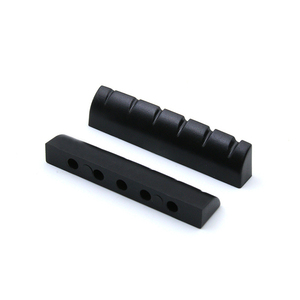
Industrial Production Lines & Featured Hardware
Explore our export-ready guitar families, OEM/ODM production configurations, and precision luthier components manufactured to global trade compliance standards.
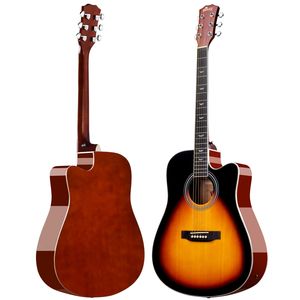
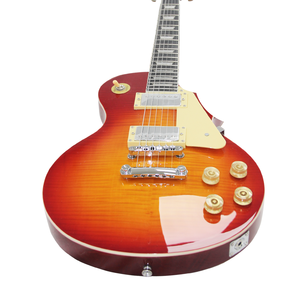
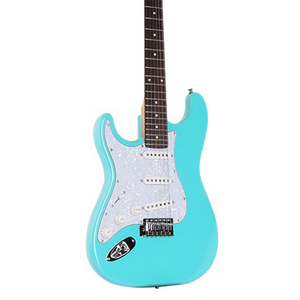
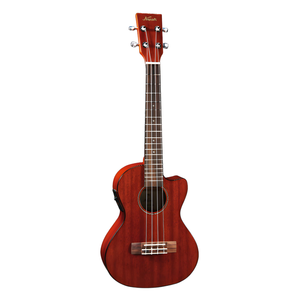
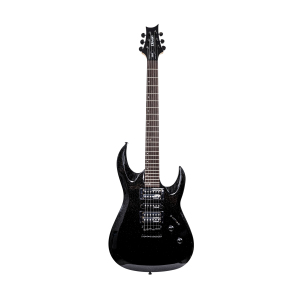
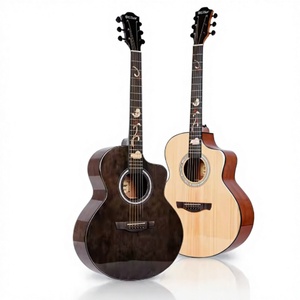
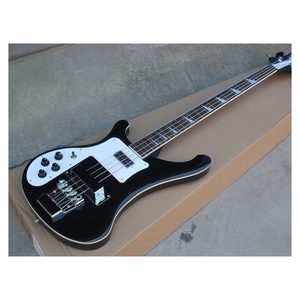
Enterprise Strengths & Global Operational Backing
Engineered for brand stability, repeatable acoustic response, and cross-border commercial scale under Tier-1 corporate supply chains.
JAM USA LLC Ecosystem
Backed by an established musical distribution group, providing our OEM clients structured financial stability, institutional supply resilience, and strict US/EU contract accountability.
CITES & Lacey Compliance
Every shipment of Spruce, Mahogany, Sapele, and Rosewood alternatives comes fully certified. We guarantee full clearance documentation preventing customs delays or port confiscation.
Kiln-Dry Desiccation Control
All timber undergoes computer-controlled kiln drying and natural seasoning to maintain a 7%–10% moisture content, eliminating top bulging, neck warpage, and fret sprouting across global climate zones.
Turnkey Merchandising Asset Pack
We supply high-resolution studio photography, parametric EAN/UPC barcodes, exploded BOM breakdowns, and retailer training decks to accelerate catalog onboarding for e-commerce and retail channels.
150,000+
Annual Instrument Yield
<0.8%
Global RMA Return Rate
45 Days
Standard OEM Batch Turnaround
100%
Acoustic Intonation Inspection
Classical Guitar Engineering & Industrial Production Metrics
A technical guide for category managers, sourcing directors, and lutherie brands evaluating large-scale classical and acoustic manufacturing.
Harmonic Resonance: Fan Bracing Architecture vs. Top Thickness Optimization
Classical guitar manufacturing requires balanced soundboard flexibility and structural stability under nylon string tension. While traditional Spanish concert guitars rely on artisanal tap tuning, commercial production demands strict thickness calibration. Utilizing 5-axis CNC thickness sanders, we process solid Sitka Spruce (Picea sitchensis) and Western Red Cedar (Thuja plicata) tops down to tolerances of 2.2mm ± 0.05mm, tapering out to 1.8mm at the lower bout perimeter.
Our modified Ramirez and Torres 7-strut symmetrical fan-bracing configurations optimize modal frequencies around the 220Hz (A2) to 440Hz (A4) fundamental registers. By coupling hand-carved tone-bars with high-rigidity bridge plates, acoustic energy is dispersed evenly across the soundboard, delivering quick dynamic response without risk of long-term belly lift.
Joinery Engineering: Spanish Heel vs. Dovetail Neck Joints
In mid-to-high tier classical manufacturing, neck-to-body joinery dictates tone sustain and lifetime serviceability. We offer both configurations:
- True Spanish Heel (Traditional Method): The neck block and internal heel are carved from a single piece of Mahogany or Spanish Cedar, with side ribs slotted directly into the heel block. This ensures maximum acoustic transference and traditional authenticity, making it the preferred choice for premier European and boutique concert brands.
- Engineered Precision Dovetail: Precision CNC-machined dovetail joints fitted with aliphatic resin adhesive. This method provides high mechanical yield, streamlined field repairability, and exceptional resistance to high-humidity environments, making it ideal for institutional and student programs.
| Series Configuration | Soundboard Construction | Back & Sides Tonewood | Neck Profile / Truss System | Nut / Saddle Material | Recommended Sourcing Market |
|---|---|---|---|---|---|
| Concert Series (CL-500) | Solid AAA Engelmann Spruce / Cedar | Solid Indian Rosewood / Ovangkol | Spanish Cedar / Dual-Action Carbon Rods | Hand-shaped Unbleached Ox Bone | Boutique Retailers & Conservatories |
| Conservatory Series (CL-300) | Solid Canadian Cedar | Selected Mahogany or Sapele | African Mahogany / Dual-Action Truss | Density-stabilized Natural Bone | Semi-Pro & Secondary School Chains |
| Student / Academic (CL-100) | Laminated Selected Spruce | Agathis / Basswood / Laminated Sapele | Nato / Adjustable Steel Truss Rod | Engineered Synthetic PPS Polymer | High-Volume Starter Kits & Rental Programs |
| Crossover Hybrid Series | Solid Solid Sitka Spruce (Radiused Fingerboard) | Flamed Maple or Walnut Laminate | Slim-C Mahogany (48mm Nut Width) | Bone Nut / Under-saddle Piezo Blend | Modern Acoustic & Studio Retailers |
Future Sourcing & Procurement Trends
Market projections for international musical instrument distributors, purchasing managers, and e-commerce brands over the next 3 to 5 years.
Torrefaction & Thermal Modification
Global acoustic buyers are increasingly demanding torrefied (thermo-cured) soundboards. Baking the spruce tops at controlled temperatures in oxygen-deprived kilns breaks down hemicellulose, reproducing the cell-wall crystallisation of a 40-year-old vintage instrument while eliminating climate vulnerability.
Drop-Ship Ready & Eco Packaging
With online direct-to-consumer sales expanding across Amazon and specialty e-tailers, instruments must pass ISTA-3A/6-FedEx drop tests. We deliver fully molded honeycomb bio-degradable pulp packaging that avoids polystyrene while reducing volumetric shipping weight by up to 18%.
CITES Exempt Tonewood Alternatives
Regulatory audits on Dalbergia species continue to tighten. Forward-looking distributors are migrating their mid-tier lines toward certified Black Richlite, Purpleheart, Baked Laurel, and Composite Ebonite for fingerboards and bridges, ensuring instant border clearance without CITES re-export fees.
B2B Procurement & Manufacturing FAQ
Essential guidance addressing lead times, quality inspections, minimum orders, and custom OEM parameterization.
What are your minimum order quantities (MOQ) for custom OEM classical guitars?
For fully customized private-label production (custom rosette, private headstock branding, proprietary neck profile, custom tonewood selection), our standard batch MOQ starts at 50 to 100 units depending on the body shape. For factory-standard platforms featuring custom laser logos or silk-screened headstocks, we accommodate initial trial runs as low as 20 to 30 units to support market testing.
How do you manage humidity stability for instruments exported to dry or tropical regions?
Our assembly floors, sanding rooms, and lacquering facilities are regulated year-round at 45%–55% relative humidity and 22°C–25°C. Before manufacturing, tonewoods undergo a dual-stage dehydration process: an initial 60-day open-air seasoning followed by 14 days in vacuum desiccator kilns to stabilize cell structures. This ensures that whether instruments ship to Arizona, Norway, or Singapore, the risk of neck twist, checking, or top seam split is minimized.
Can you install custom electronics, preamps, and internal pickups?
Yes. We integrate OEM classical preamps from Fishman (such as the Presys Blend or Clasica series), LR Baggs, and shadow transducers, as well as our proprietary discreet undersaddle mic-piezo systems with internal soundhole controls. All battery enclosures and endpin jacks are routed via automated CNC tooling for clean fitment and rattle-free internal wiring.
What quality control protocols are applied prior to container stuffing?
Every instrument goes through a 4-stage quality check:
1) Rough wood density and moisture inspection prior to jointing;
2) Post-assembly fret leveling and intonation testing using precision strobe analyzers;
3) Environmental aging chamber stress tests;
4) 100% aesthetic inspection under high-lumen UV lights to spot clear-coat flaws or glue run-out. Detailed AQL 2.5 inspection reports are provided prior to dispatch.
What are typical production lead times and shipping turnaround periods?
Standard OEM/ODM production lead time is 45 to 60 days following sample sign-off and deposit receipt. For recurring supply arrangements, we offer safety stock reservation agreements within our bonded warehouse facilities to enable immediate container fulfillment on demand.
Accelerate Your String Brand with an Industry-Leading Partner
From initial CAD modeling and tone-wood selection to high-volume container shipments, our manufacturing infrastructure delivers the scale, precision, and tone that modern musicians expect.