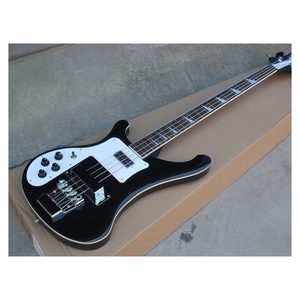
Electric Bass Family
Every featured model is manufactured using multi-axis automated CNC technology, strictly stabilized tonewoods, and electro-acoustic testing compliant with global retail standards.
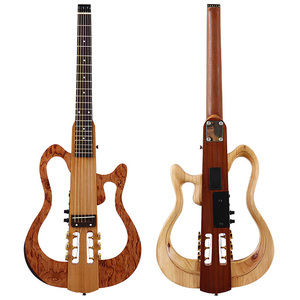
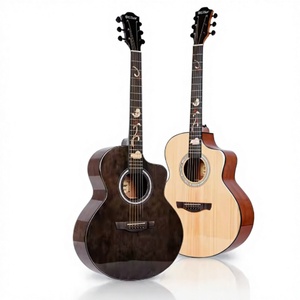
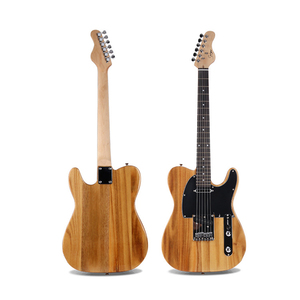
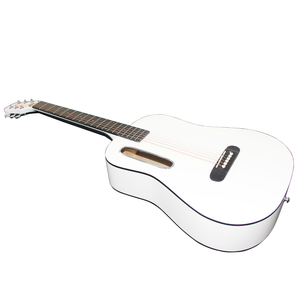
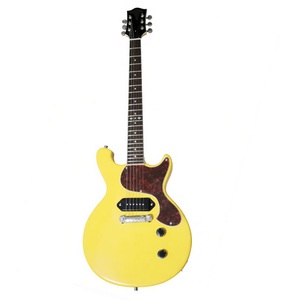
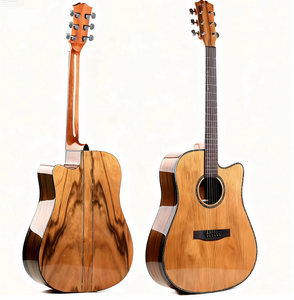
A rigorous examination of material science breakthroughs, automation parameters, and supply chain risk mitigation for professional buyers.
The global fretted and acoustic musical instrument landscape is undergoing a permanent structural transformation. As international brands and large-scale distributor networks face unpredictable freight volatility and stricter environmental mandates, sourcing strategies must evolve beyond unit cost reduction toward systemic manufacturing resilience.
First, stringent climate-controlled lumber dehydration (EMC Stabilization) has become a primary purchasing baseline. Top-tier suppliers now integrate vacuum RF (Radio Frequency) drying alongside traditional natural air curing to lock wood equilibrium moisture content (EMC) strictly between 8% and 10%. This eliminates fret sprouting, soundboard warping, and neck twist across extreme climate export routes.
Second, digitized modularity and CNC neck-pocket coupling now determine product viability. Commercial buyers are migrating away from manual lutherie workshops toward automated multi-axis milling facilities. Tolerances within ±0.05mm around neck joints prevent energy loss, lower post-shipping warranty reserves, and ensure out-of-the-box playability on competitive retail floors.
| Evaluation Parameter | Tier 1 Industrial OEM Factory | Conventional Tier 2/3 Workshop | Commercial Buyer Impact |
|---|---|---|---|
| Lumber Conditioning | Dual-stage RF Kiln Drying + EMC Stabilization (8-10%) | Short-cycle kiln drying (14-18% variable moisture) | Guarantees zero neck twisting or fret sprouting in export containers |
| Machining Accuracy | 5-Axis Precision CNC (±0.05mm joint tolerance) | Hand-guided routing & template duplication | Eliminates inconsistent string action and neck-pocket gaps |
| Finishing Technology | Automated Electrostatic UV Polyurethane Curing | Solvent Nitrocellulose or Manual Spray PU | Reduces finish thickness by 40%, enhancing tonal resonance |
| Compliance Protocols | Full CITES Certification, REACH, RoHS, EPA TSCA VI | Incomplete documentation; Third-party clearing needed | Zero customs impound risk during cross-border terminal inspections |
Consumer performance profiles have diversified. The market no longer accepts one-size-fits-all starter packages. Product design now hinges on ergonomic access, tonal utility, and transport convenience:
1. Ergonomic Multi-Scale and Modern Neck Profiles: Modern players demand compound radius fingerboards (9.5" transitioning to 14") and asymmetrical slim-C profiles. Factory tooling must support smooth fretwire dressing with hemispherical fret ends that resist seasonal temperature fluctuations.
2. Hybrid Acoustic-Electric Preamp Configurations: Transducer under-saddle pickups paired with internal microphone blend controls are becoming standard even on entry-tier folk models. Bulk suppliers must maintain an integrated electronics bench to test resistance, capacitance, and ground shielding before packaging.
3. Sustainable Alternative Tonewoods: Due to CITES Appendix II enforcement on select rosewoods and bubinga, high-performance OEM plants are perfecting torrified maple, thermo-treated eucalyptus, and richlite composite boards. These alternatives match historical acoustic densities while simplifying global trade clearance.
Rooted in disciplined manufacturing engineering, backed by international quality management, and built for volume scaling.
From initial CAD/CAM blueprinting to bespoke pickup winding, fretboard graffiti art, left-handed configurations, and custom branded packaging, our assembly lines convert proprietary specifications into production reality.
Every batch of raw lumber is verified under strict chain-of-custody protocols. Finishes comply with non-toxic, lead-free RoHS and California Proposition 65 thresholds, ensuring clean customs processing across North America and Europe.
Before packing, every instrument undergoes laser-guided neck relief verification, 12th-fret action calibration, hum/ground loop oscilloscope verification, and environmental stress chambers that safeguard road reliability.
Essential trade details covering Minimum Order Quantities (MOQs), production timelines, wood moisture standards, and quality guarantees.
Our standard production baseline starts at 50 units for standard factory catalog models with custom private labeling. For completely custom body shapes, custom active circuit development, or specialized finishes, our batch threshold is typically 100 units per specification to ensure setup efficiency.
All raw tonewoods enter our computerized RF vacuum kilns and rest in constant-temperature conditioning halls for over 60 days. We calibrate the wood to an equilibrium moisture content (EMC) of 8% to 10%, keeping soundboards, necks, and frets stable during marine transit through differing climatic zones.
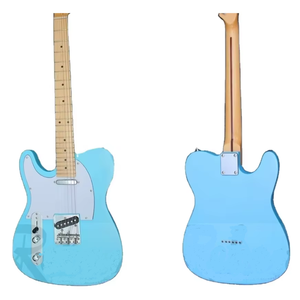
Yes. As demonstrated by our JELO Performance Bass and Weifang Rebon Surf Blue TL models, we maintain specialized CNC tooling profiles and mirrored component sourcing (bridges, nuts, potentiometers) to supply balanced assortments for left-handed players.
Prototype samples are typically shaped, painted, assembled, and dispatched within 15 to 25 business days. Once final golden samples are approved, full container loads (20GP or 40HQ) run on a scheduled 35 to 45-day manufacturing cycle.
We provide full retail packaging solutions, including ISTA-3A drop-test certified double-corrugated shipping cartons, foam-lined inner gig bags, branded cardboard display inserts, and multilingual safety documentation.
We provide certified species identification certificates, legally logged timber harvest origin documentation, and verified CITES re-export certificates alongside our commercial invoices, bills of lading, and packing lists.
Consult directly with our manufacturing engineering team to access full OEM/ODM wholesale catalogs, negotiate container-level pricing, and order verified production samples.
Get a QuoteThis site uses cookies to improve your browsing experience. To learn how cookies are used, please review our Privacy Policy. By clicking “I Agree” or continuing to use this site, you consent to this use.