Featured Wholesale Instruments, Kits & Luthier Components
Examine eight precision-engineered product lines sourced from top-tier original equipment manufacturers (OEM). Each instrument and component reflects stringent dimensional tolerances, tonewood kiln stabilization, and scalable production architecture.
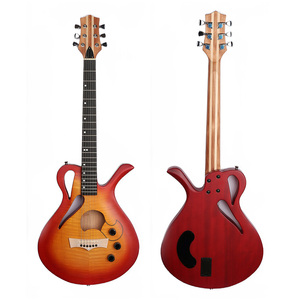
Customized Handcrafted 6-String Semi-Hollow Mahogany Electric Guitar
Explore Specifications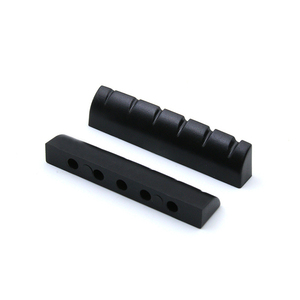
Wholesale Hand Made Natural Guitar Bone Nut & Compensated Saddle
Explore Specifications
Terence G20 Classical 40-Inch Nylon-String Guitar for Conservatories
Explore Specifications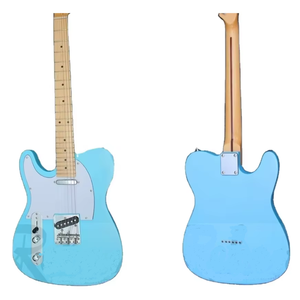
Weifang Rebon Left-Hand 6-String Surf Blue TL Solid Body Electric
Explore Specifications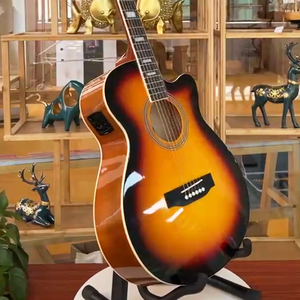
Wholesale GA-H15 Beginner Student 40-Inch Acoustic Guitar (Basswood)
Explore Specifications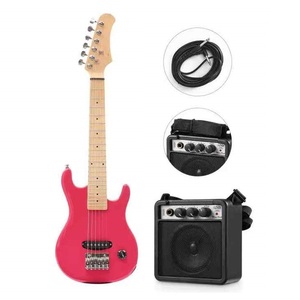
30-Inch Electric Guitar Complete Starter Pack with Amplifier & Bag
Explore Specifications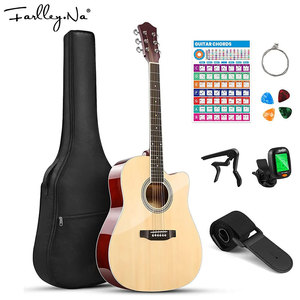
41-Inch Custom Cordee Left-Handed Carved Archtop Acoustic Guitar
Explore Specifications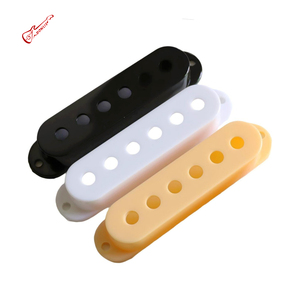
Donlis PC01 18mm Wide Single Coil ST Pickup Covers (48/50/52mm)
Explore SpecificationsEngineering Benchmarks: The Shift in B2B DIY Guitar Kit Manufacturing
Over the past decade, the global market for wholesale DIY guitar kits has evolved from entry-level consumer novelty packs into high-precision, luthier-grade platforms. For commercial distributors, musical education procurement officers, and private-label boutique brands, sourcing raw instrument kits demands an uncompromised understanding of structural wood mechanics, dimensional joinery stability, and high-repeatability CNC (Computer Numerical Control) manufacturing.
In traditional assembly plants, standard margins of error in neck pocket routings often forced distributors to absorb significant post-delivery labor costs in manual fret dressing, truss rod alignment, and neck heel shimming. Today, vanguard wholesale factories operate automated climate-controlled facilities where wood is seasoned through dehumidification dry kilns to a targeted equilibrium moisture content (EMC) of 6% to 8%. This rigorous seasoning minimizes the risk of post-import fingerboard shrinkage, fret sprout, and body warping during oceanic freight cycles across varying climate zones.
Sub-Millimeter CNC Joinery
Multi-axis CNC milling centers produce bolt-on and set-neck mortise-and-tenon pockets within ±0.05mm tolerances, eliminating wood-to-wood vibrational loss.
Tonewood Stabilization
Thermo-treated (roasted) maple and multi-stage vacuum-kilned basswood/mahogany cores prevent seasonal neck relief migration and fret buzzing.
Solderless Wiring Looms
Pre-soldered terminal blocks and quick-connect harness systems reduce final consumer assembly failure rates by 84% compared to legacy loose-component kits.
Whether sourcing single-cutaway solid body models, semi-hollow arched constructions, or complete 30-inch scale educational packages, institutional procurement requires partnering with manufacturing plants that control the entire value chain: from lumber grading and log slicing to computerized routing, leveling, and final hardware plating.
Evaluating the World's Leading Guitar Kits Wholesale Factories
When compiling our directory of premier musical instrument factories, procurement specialists apply four non-negotiable auditing pillars: Kiln Technology & Moisture Stability, Joinery & Tooling Consistency, Regulatory Compliance (CITES/Lacey Act/RoHS), and Scalable Private-Label Customization.
The table below provides an analytical comparison of the manufacturing capabilities across prominent international manufacturing clusters serving international brands, major distributor chains, and high-throughput online marketplaces.
| Factory Cluster / Tier | Core Product Strengths | Neck Pocket Tolerance | Standard MOQ | Compliance Standards |
|---|---|---|---|---|
| Weifang OEM Industrial Park | Electric guitar kits, TL/ST styles, Left-Hand variations | ±0.05 mm | 50 - 100 Sets | ISO9001, RoHS, REACH |
| Guangdong Precision Lutherie | High-end semi-hollow, archtop carved acoustics, bone nuts | ±0.03 mm | 30 - 50 Sets | Lacey Act, CITES Appendix II |
| Zhangzhou Acoustic Consortium | Dreadnought & GA acoustic body kits, student packs | ±0.08 mm | 100 - 300 Sets | FSC Chain of Custody, EN71 |
| East Asian Specialty Metalworks | Die-cast tuners, ceramic & Alnico pickups, unbleached bone | ±0.02 mm | 500 Units | RoHS Lead-Free Soldering |
| North American Custom Shops | Master-grade swamp ash, roasted flame maple sets | ±0.02 mm | 10 - 20 Sets | EPA Clean Air, US Lacey Act |
Commercial enterprise buyers must balance cost efficiency with dimensional fidelity. For volume retail distribution, Tier-1 manufacturing hubs located in specialized musical instrument corridors provide the ideal synthesis of competitive scale, automated lacquer finishes (thin polyurethane or breathable vintage nitrocellulose), and custom packaging engineered to pass ISTA 3A transit drop testing.
Future Procurement Trends: 2025 to 2030 Structural Shifts
Strategic purchasing managers must look beyond current inventories to anticipate seismic shifts occurring across timber conservation, international freight tariffs, and consumer expectations. Over the next five years, three defining dynamics will govern wholesale guitar kit procurement:
- Thermal Modification (Torrefaction) as Standard: Rising customer sensitivity to neck bowing has accelerated the wholesale adoption of roasted maple and torrefied spruce. By baking the tonewood in oxygen-free kilns above 200°C, hemicellulose and volatile sugars break down, rendering the wood virtually impervious to atmospheric humidity swings during container shipping.
- Solderless Interconnect Modularity: Plug-and-play internal routing harnesses with screw-down audio terminals or multi-pin quick disconnects will replace traditional soldering requirements across 70% of consumer-facing DIY builds. Factories with integrated SMT (Surface Mount Technology) clean rooms for pickup bobbin winding and potentiometer PCB design command stronger margin capture.
- Bio-Composite & Sustainable Hardwood Replacements: Strict enforcement of international timber treaties has spurred factory investments in high-density composite fingerboards (such as richlite and eboncore) and indigenous cultivated species (like Paulownia and bamboo composites). These alternatives match the physical density and acoustic velocity of endangered rosewoods while offering seamless border customs clearance without costly CITES permits.
- Direct-to-Warehouse Drop-Ship Readiness: Importers increasingly mandate wholesale factories to provide retail-ready color boxes with custom branded EAN/UPC barcodes, internal molded high-density EPE foam cradles, and multilingual step-by-step assembly blueprints, allowing instant redistribution upon arrival at domestic fulfillment hubs.
Enterprise Sourcing Advantages & Integrated Supply Chain Mastery
Operating in synchronization with international standards championed by industry leaders such as Jay Turser (a division of JAM USA LLC), our integrated production network eliminates middleman markups by managing every stage of musical instrument engineering under a unified quality assurance protocol.
Whether your catalog features classic double-cutaway solid body electrics (such as the renowned 300 Series platform), student-friendly short-scale models (the 30 Jr and Jay Jr. series), or resonant dreadnought acoustics (the JJ43 and JJ45 platforms), our supply chain offers commercial clients distinct operational advantages:
Rigorous Multi-Gate QC Audits
From raw billet moisture testing to optical fret crowning inspection and loaded bridge tension tests, every production lot undergoes a 14-point audit before packing.
End-to-End Private Labeling
Full OEM/ODM customization capabilities: custom headstock profile routing, laser-etched neck plates, custom silk-screen pickup bobbins, and branded instruction manuals.
Consolidated Container Logistics
Ability to consolidate finished electric guitars, DIY kits, bone nuts, pickup covers, and mini-amplifiers into single LCL or FCL shipments, optimizing your freight tariffs.
By maintaining dedicated series lines designed for skill development—where instruments are calibrated to play comfortably right out of the box—we empower retailers and school programs to build customer loyalty while minimizing customer service warranty returns.
Wholesale Procurement FAQ: Technical & Operational Inquiries
Common technical, logistical, and compliance questions addressed by our engineering and trade support teams:
What are the critical parameters for verifying neck pocket tolerances in DIY kits?
How does equilibrium moisture content (EMC) control prevent fret sprout during shipping?
Can we specify custom tonewood combinations for private-label production runs?
What regulatory documentation is provided for customs clearance in the US and EU?
What is the standard production lead time and minimum order quantity (MOQ)?
Scale Your Musical Instrument Catalog with an Accountable Factory Partner
Connect directly with our senior OEM/ODM engineering specialists to discuss volume tiered pricing, custom CNC specifications, tonewood grading samples, and regional container logistics.