1.8M+
Annual Export Units
±0.02mm
CNC Neck Pocket Tolerancing
8-10%
Kiln Moisture Equilibrium
100%
CITES & REACH Compliance
Verified OEM / ODM Catalog
Export-Ready OEM Bass & Guitar Solutions
Pre-engineered platforms ready for customized OEM logo placement, custom hardware configurations, tailored scale lengths, and high-efficiency international containerized shipping.
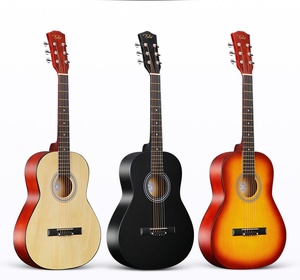
Wholesale 30 34 36 Inch Round Barrel Entry Level Beginner's Finish Glossy Practice Guitar
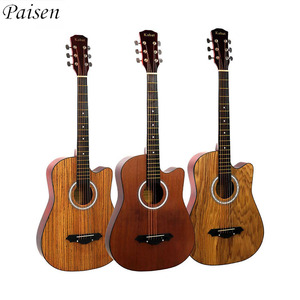
Paisen High Quality 38 Inch Solid Sapele Acoustic Guitar 6 Strings Folk Guitar for Kids
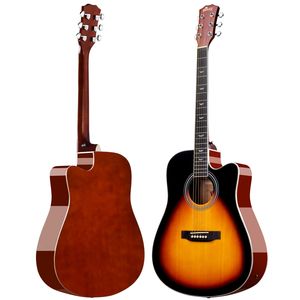
41-Inch Folk Acoustic Cutaway Guitar Package for Beginners Students Kids
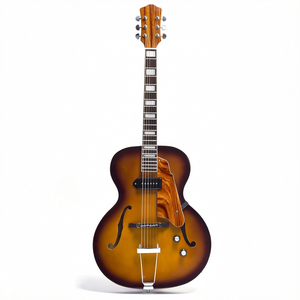
GROTE Semi Hollow Electric Guitar Maple Rosewood Fretboard 22 Frets H-H Pickups Glossy Natural Wood String Instrument 10.06-01
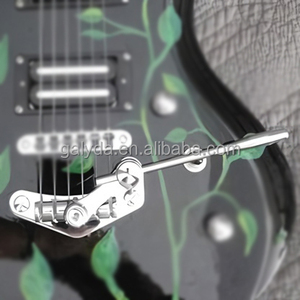
Wholesale Zinc Alloy Polished LP SG Tremor Tremolo Bridge Guitar Tailpiece for Jazz Guitar Replacement Parts
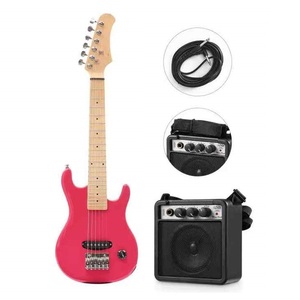
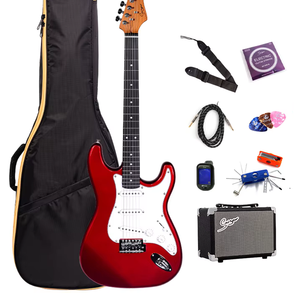
Factory Wholesale 30 Inch Electric Guitar Set with AMP, Connecting Cable, Bag and Pick Support OEM
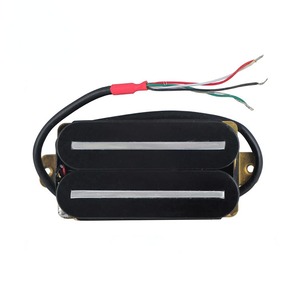
Wholesale Dual Rail Humbucker Electric Guitar Pickup, Double Coil with Coil Split Function, Guitar Replacement Parts
Industry Whitepaper: The Global OEM & ODM Bass Guitar Sourcing Framework
The global bass guitar export ecosystem has undergone a profound structural transformation over the past decade. Where procurement teams once simply negotiated unit FOB prices for standard J-style and P-style starter packs, modern fretted instrument brand directors and international distributors now demand high-fidelity engineering, micro-metric CNC neck-pocket fitment, humidity-stabilized raw timber, and rigorous electro-acoustic shielding. As digital direct-to-consumer (D2C) channels and omnichannel retail networks face escalating return rates caused by fret sprout, neck warping, and baseline 60Hz hum, the selection of an Original Equipment Manufacturer (OEM) or Original Design Manufacturer (ODM) has evolved into a strategic risk-management imperative.
Bass guitars present unique manufacturing challenges absent in conventional electric six-strings. The longer scale length (typically 34 inches standard or 35 inches for extended-range five-string variants) subjects the neck blank to between 160 and 210 pounds of continuous string tension. Any micro-flaw in grain orientation, moisture extraction, or truss rod stabilization directly manifests in catastrophic neck relief distortion upon shipment across differing global climatic zones. Therefore, qualifying a top-tier OEM exporter requires probing beyond sales claims into fundamental wood science, multi-axis computerized milling, electrostatic finish chemistry, and ISO9001:2015 audit integrity.
Core Engineering Criteria Distinguishing Top 10 Exporters
When evaluating leading export hubs across China (notably Shandong, Jiangsu, and Guangdong manufacturing corridors), Indonesia, and South Korea, our procurement audit identifies four non-negotiable benchmark competencies:
Radiofrequency Vacuum Drying
Top exporters run computer-governed radiofrequency kilns that equilibrate North American hard maple, basswood, and mahogany billets to an exact 8% to 10% core moisture content, preventing cross-ocean warping.
5-Axis Dual-Spindle Milling
Automated CNC centers profile asymmetric neck radii, dual-action truss rod channels, and tight neck pockets with tolerances strictly bounded within ±0.02 mm, ensuring acoustic resonance transfer.
Automated Plek / Micro-Levelling
Eliminating fret buzz requires cryogenic nickel-silver or stainless-steel fret seating followed by pneumatic beveling, crowning, and robotic fret end dressing to guarantee sub-1.5mm action on setup.
Comparative Audit: Top 10 OEM Bass Guitar Exporter Profiles
Based on factory floor throughput, on-time container delivery metrics, quality inspection pass rates, and customization flexibility, the following matrix benchmarks the operational capabilities of top-performing OEM and ODM bass guitar exporters worldwide.
| Rank / Cluster | Primary Export Focus | Monthly Capacity | Wood Prep & Curing | Custom Tooling Lead Time | Key Market Segments |
|---|---|---|---|---|---|
| #01 Shandong Hub (Jushia / Jay Turser Partner) | Solid & Semi-Hollow Basses (4/5 Strings) | 45,000 Units | Multi-Stage Vacuum RF Dehumidification | 25 - 35 Days | North America, EU, Japan |
| #02 Jiangsu Cluster | High-Volume Entry Level Bass Packs | 60,000 Units | Standard Steam Kiln Conditioning | 30 - 45 Days | Global E-Commerce, Big-Box Retail |
| #03 Guangdong Pearl River | Boutique Archtop, Semi-Acoustic & High-End | 20,000 Units | Natural 24-Month Air Aging + Kiln | 40 - 50 Days | Boutique Private Labels, Pros |
| #04 Surabaya Cluster (Indonesia) | Mid-Tier Solid-Body 4 & 5 Strings | 35,000 Units | Tropical Solar Kiln Stabilization | 45 - 60 Days | Global Major Brand OEM Lines |
| #05 Incheon Industrial Zone (Korea) | Premium Active Electronics & Hardware | 12,000 Units | Precision Controlled Thermo-Treatment | 35 - 45 Days | Mid-to-High Tier Brand Contract |
| #06 Zhejiang String Guild | Fretless, Acoustic Basses & Hybrids | 18,000 Units | Targeted Moisture Equilibrium | 30 - 40 Days | Institutional & Educational Chains |
| #07 Ensenada Corridor (Mexico) | North American Heritage Specs | 15,000 Units | Chamber-Regulated Dehumidification | 50 - 70 Days | Nearshore US Distribution |
| #08 Hebei OEM Collective | Budget Bundles, Amplified Sets | 50,000 Units | Rapid Convection Drying | 20 - 30 Days | Discount Department Channels |
| #09 Fujian Export Base | Electro-Acoustic Basses & Ukulele Basses | 22,000 Units | Acoustic Chamber Conditioning | 35 - 45 Days | Specialty Fretted Instrument Lines |
| #10 Taichung Specialist Guild | Custom Active EQ Preamps & Bass Pickups | 80,000 Components | N/A (Specialized Electronics) | 15 - 25 Days | Component OEM for Global Assembly |
Strategic Forecasting
Future Procurement Trends in OEM Bass Guitars
Market intelligence for purchasing executives: what material innovations, compliance mandates, and operational technologies will define competitive advantage through 2030.
1. Torrefied & Roasted Woods
Thermal modification at 180°C–220°C in anoxic atmospheres removes volatile organic compounds and moisture, yielding exceptionally rigid, warp-proof roasted maple necks at affordable OEM tiers.
2. Multi-Scale & Headless Architectures
Ergonomic fanned-fret designs (e.g., 34" to 37" scale) are rapidly shifting from boutique custom shops into mass OEM production schedules to cater to modern progressive and dropped-tuning players.
3. Eco-Certified UV-Cured Finishes
Strict European REACH and California CARB environmental regulations have catalyzed rapid adoption of ultra-thin, photo-initiated UV lacquers, eliminating VOC emissions and optimizing body resonance.
4. Solderless Modular Wiring Systems
Distributors are moving away from permanent hand-soldered harnesses toward modular push-fit terminal blocks, enabling lightning-fast post-import electronics upgrades and field servicing.
Bass Guitar Manufacturing Developments: Engineering Information Gain
To maintain product margin while insulating against rising labor costs, leading OEM facilities have reimagined the bass guitar production line through advanced automation and materials science:
Graphite & Carbon Fiber Rod Inlays
Dual parallel carbon fiber stabilization bars inserted adjacent to the truss rod have become standard in 5-string and extended-scale platforms. This mitigates dead spots around the 5th to 7th frets on the low B-string and shields against temperature fluctuations during shipping.
Alternative Engineered Fingerboards
With ongoing CITES rosewood documentation hurdles, exporters have perfected high-density laurel, thermally treated purpleheart, and FSC-certified phenolic resin paper composites (Richlite equivalents) that deliver identical sustain and superior climate stability.
Conductive Cavity Shielding
High-gain active bass preamps demand zero extraneous noise. Advanced OEM lines now employ automated robotic electrostatic conductive shielding paint and continuous copper foil backplates on pickguards, dropping noise floor measurements below -88dB.
Manufacturing Benchmark
Enterprise Advantages: Backed by JAM USA LLC
Combining world-class Chinese manufacturing economies of scale with American executive corporate governance and seasoned fretted instrument lutherie expertise.
As a core division of JAM USA LLC, the Jay Turser brand and its associated manufacturing lines (including our renowned 400 Series and CL Series bass guitars alongside the classic 300 series electric platforms) bridge the gap between Asian volume efficiency and Western brand expectations. Our partners leverage distinct operational assets:
5-Tier Quality Gate System
Every bass undergoes raw wood moisture verification, sub-assembly fret levelling, climate-controlled aging tests, pre-packaging optical inspection, and randomized container drop audits.
Turnkey OEM & Private Label
From personalized headstock silhouettes, custom CNC fretboard inlays, custom-wound Alnico V pickups, to localized barcode SKU retail packaging, our engineering team handles full DFM (Design for Manufacturing).
Established Supply Chain Resilience
Benefit from bulk raw material purchasing power, standardized North American dealer warranty support structures, and dedicated logistics pipelines across key global shipping lanes.
B2B Purchasing FAQs
Frequently Asked Questions for Trade Buyers
Direct answers addressing the legal, logistical, technical, and commercial criteria of sourcing OEM and ODM bass guitars.
What are typical Minimum Order Quantities (MOQ) for custom OEM bass guitar runs? +
For existing standard catalog platforms with customized logo branding and standard finishes (such as our 400 Series or CL Series baselines), standard MOQs start at 50 to 100 units per colorway. For fully customized industrial tooling—including unique body geometries, proprietary pickup routing, or exclusive hardware die-casting—initial pilot runs typically require 300 units to amortize CNC programming, jig creation, and tooling setup fees.
How does the factory manage CITES compliance for fretboards and exotic timbers? +
We provide full chain-of-custody documentation and phytosanitary certificates for all timber used in our facilities. In response to CITES Appendices updates regarding Dalbergia (rosewood) species, our primary OEM production lines standardly utilize legally compliant, non-restricted high-performance alternatives including Techwood, FSC-certified Indian laurel, thermally treated roasted maple, and composite ebony. Complete documentation packs are furnished alongside shipping bills of lading for seamless customs clearance.
How is seasonal neck warping prevented during ocean transit across different climate zones? +
Our wood processing involves a strict 3-phase climate acclimation cycle. First, timber billets undergo automated RF vacuum kiln drying to stabilize moisture at 8%–10%. Second, cut neck blanks rest in temperature-and-humidity-controlled conditioning rooms for 14 days before final CNC carving. Third, dual-action bi-directional truss rods (reinforced with dual carbon fiber rods on 5-string models) are installed under tension. Finally, each container is packed with industrial desiccant clay bags and moisture-barrier polyethylene master cartons.
Can private label clients specify proprietary electronics, pickups, and preamps? +
Yes. Our OEM division accommodates customized pickup specifications including custom-wound Alnico V split-coils, dual-coil soapbars with neodymium magnets, and active 2-band or 3-band onboard EQ preamps with 9V or 18V battery circuits. Alternatively, we regularly integrate client-supplied hardware or recognized third-party electronics into our automated wiring lines upon agreement.
What quality control protocols are implemented during volume bass guitar assembly? +
Our quality control system follows a 100% inspection protocol rather than statistical AQL sampling alone. Every instrument is checked across 28 checkpoints: fret edge dress smoothness, bridge saddle radius alignment, pickup output balance in millivolts (mV), pot taper linearity, neck pocket seating tolerance (≤ 0.05mm gap tolerance), finish gloss depth via digital gloss-meters, and electronic hum shielding continuity.
What are typical production lead times from PO confirmation to port delivery? +
Standard lead times for re-orders of existing production models average 45 to 60 calendar days. For first-run OEM orders requiring prototype physical sample approval, sample production takes approximately 20 to 30 days, followed by standard mass manufacturing upon formal sign-off. Expedited container allocations can be scheduled for established contractual distributors.