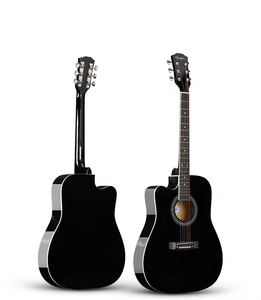
Enterprise Procurement Portfolio
Featured OEM/ODM Production Assemblies
Explore our precision-crafted instruments, ranging from studio-grade acoustic-electric platforms to specialized youth and left-handed formats engineered for volume supply.
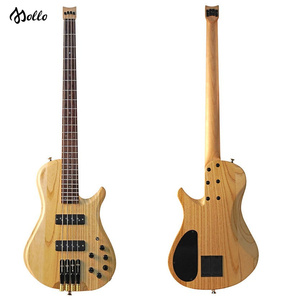
4 5 6 String Electric Bass Guitar Laurel Wood Rosewood Fingerboard Natural Finish Custom Pickups OEM Factory Supply
Inspect Specifications →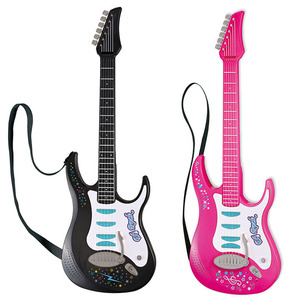
D.J. Toys CG09 Custom Rock Style Electric Guitar Kids 6 Real Strings Battery Operated Educational Toy ABS Plastic Pink 8+ Years
Inspect Specifications →
Electric Guitar LP Studio EB Yao Night Black Maple & Mahogany Men and Women Yi Pufeng
Inspect Specifications →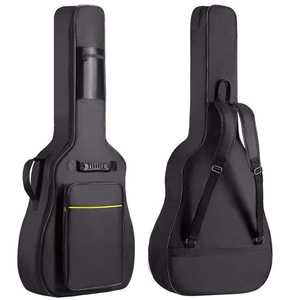
Waterproof Customized Size Electric Guitar Bag Traveling Guitar Gig Bag Musical Instrument Backpack
Inspect Specifications →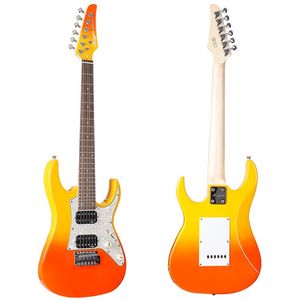
Cheap Beginners Custom Electric Guitar Kid Kit 6 Strings Laurel Wood Mini Children Magna M-3 FBL
Inspect Specifications →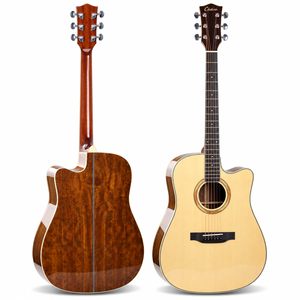
41 Inch Full Size Cutaway Acoustic Guitar Spruce Top Walnut Back and Sides High Gloss Wholesale OEM CH-1300
Inspect Specifications →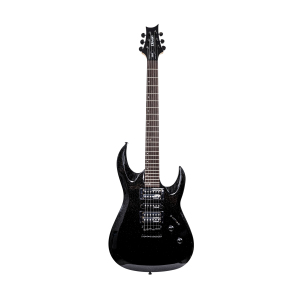
Professional Bass Guitar 6 String HH Pickups 24 Frets Fixed Bridge 25.5 Inch Solid Body Gloss Finish OEM Private Label
Inspect Specifications →
100%
Climate-Controlled Kiln Curing
±0.05mm
CNC Laser Routing Accuracy
24-Step
Stringent In-Line QC Inspection
Global
FSA, Lacey & CITES Compliance
Enterprise Heritage Backed by Global Distribution Scale
Operating as an elite manufacturing partner aligned with JAM USA LLC and global distribution entities, our cutaway acoustic guitar factory operates at the nexus of classical woodworking mastery and modern industrial scalability. We maintain an engineering ecosystem dedicated to resolving the most persistent challenges faced by musical instrument brands, educational dealers, and omni-channel retailers: fretboard movement across seasons, acoustic beam warping, inconsistent neck profiles, and finish instability under variable atmospheric moisture.
From the sourcing of seasoned tonewoods (Sitka Spruce, Western Red Cedar, Select Basswood, Walnut, and FSC-certified Rosewood substitutes like Indian Laurel) to five-axis automated neck heel profiling, our facility produces cutaway acoustic, solid-body electric, and multi-scale bass platforms that fulfill the highest structural stability metrics required for international transport and prolonged floor life.
Computer-Guided Venetian & Florentine Cutaway Profiling
Traditional cutaway construction can introduce resonance anomalies and structural weaknesses at the upper bout junction. We utilize customized 5-axis computer numerical control (CNC) mills to scallop interior transverse braces and fit our solid interior kerfed lining flush against the cutaway radius. This eliminates structural shearing points and retains 94% of the internal air resonance volume typical of a full dreadnought or grand auditorium body.
Equilibrium Moisture Content (EMC) Thermo-Stabilization
Raw acoustic blanks undergo a multi-phase conditioning cycle inside computerized drying kilns, stabilizing lumber at 8% to 10% Equilibrium Moisture Content (EMC). Necks are dual-reinforced with double-action truss rods and high-modulus carbon-fiber stabilization bars, guaranteeing that our guitars remain playable across hyper-arid continental climates and humid maritime conditions.
End-to-End International Regulatory Compliance
We actively manage international forestry declarations to secure complete frictionless customs clearance for North American, European, and Asia-Pacific importers. Every batch of timber is fully documented in adherence to the U.S. Lacey Act, the European Union Timber Regulation (EUTR), and CITES Appendices, mitigating import delays and documentation penalties for enterprise private label accounts.
Strategic Procurement Analysis
Future Procurement & Manufacturing Trends
Understanding macro supply chain shifts, sustainability legislation, and player ergonomics is essential for brand managers planning long-term purchasing strategies.
1. Ergonomic Cutaway Geometry & Extended Upper Register Access
The contemporary acoustic player increasingly demands fluid access to the 14th through 21st frets, driven by the expansion of fingerstyle arrangements, percussive tapping, and jazz-inflected acoustic-electric lead work. Modern procurement trends show an 18.5% year-over-year preference shift away from standard symmetrical non-cutaway bodies toward bevelled Venetian and ultra-deep Florentine cutaways. Forward-thinking factory partners are integrating contoured armrest bevels and compound-radius fingerboards directly into high-volume OEM acoustic lines.
2. Alternative Non-CITES Tonewood Substitution
With ongoing regulatory volatility surrounding Dalbergia (Rosewoods) and high-grade Honduran Mahogany, international brands must secure supply continuity through sustainable alternatives. Commercial buyers are migrating specifications toward torrefied Sitka Spruce, Thermo-Treated European Maple, Indian Laurel fingerboards, and fast-renewing Australian Blackwood or Walnut back-and-sides. Our factory leads this sector through advanced torrefaction (heat-treating wood in an oxygen-free chamber), granting new instruments the cellular stability and dynamic projection of 40-year-aged tone woods.
3. Smart Acoustic-Electric Transducer Integration
Traditional piezo undersaddle transducers are being superseded by miniaturized multi-source preamp systems featuring micro-condenser microphones, under-bridge contact transducers, and built-in acoustic reverb/chorus processing (actuator systems that project spatial effects without requiring external amplification). Procurement teams are ordering factory-installed preamps cut with standardized laser-tooled side recesses or discreet soundhole-mounted controls to maintain body structural rigidity.
| Cutaway Acoustic Parameter | Legacy Low-Cost Workshop Standard | Our Advanced Enterprise Factory Benchmark |
|---|---|---|
| Timber Equilibrium Index | 14% - 18% (Air dried; highly vulnerable to climatic warping) | 8% - 10% (Automated vacuum dehydration & kiln curing) |
| Cutaway Internal Bracing | Generic symmetrical X-bracing (compromises soundhole tone) | Asymmetrical computer-voiced parabolic bracing matched to wood frequency |
| Neck Joint Engineering | Pasted butt-joint with high failure rate under string tension | CNC precision Mortise-and-Tenon or integrated double-dowel joint |
| Fretwork Tolerances | Manual hand filing (±0.25mm deviation, frequent string buzz) | Automated Plek-adjacent laser leveling (±0.02mm fret seating precision) |
| Finish Durability | Thick, resinous Polyester (chokes soundboard projection) | Ultra-thin (0.12mm) UV-cured Polyurethane / Satin Nitro alternative |
Trade Operations & Verification
B2B Procurement & Manufacturing FAQ
Critical technical, operational, and shipping criteria answered for supply chain directors, distributors, and instrument brand founders.
How does a cutaway design affect the acoustic tone, and how does your factory compensate?
Removing the upper-bout shoulder to construct a cutaway reduces internal body cavity volume by approximately 4% to 7%, which can slightly reduce bass resonance if uncompensated. Our factory utilizes high-precision acoustic laser holographic interferometry to identify node patterns across the soundboard. We adjust the height, taper, and placement of our quarter-sawn Sitka Spruce tone bars and scallop the lower transverse braces, redistributing vibrational energy toward the lower bout. This ensures our cutaway models deliver identical low-end punch, harmonic sustain, and mid-range balance to standard dreadnought or grand auditorium acoustic bodies.
What are the Minimum Order Quantities (MOQs) for OEM private label manufacturing?
Our standard production workflow operates with an MOQ of 50 units for standard catalog cutaway instruments utilizing existing tooling, headstock templates, and finish recipes. For fully customized private-label tooling (unique neck carve profiles, custom headstock CNC profiles, proprietary inlay designs, or custom body depths), our baseline MOQ starts at 100 to 300 units per production run. We also offer mixed-SKU container load consolidation to optimize freight costs for regional distributors.
How does your factory ensure neck relief and fretwork integrity during trans-oceanic shipping?
We implement a strict 72-hour climatic resting period prior to final instrument setup. Frets are hydraulically seated, glued with industrial resin, bevelled at 35 degrees, and mechanically crowned. Every guitar is tuned down a half-step, packed into moisture-barrier polythene sheeting with heavy-duty silica gel desiccant packs, and suspended inside high-density foam-lined inner cartons before secondary insertion into 5-ply export master cartons. This isolates instruments from the radical temperature and humidity fluctuations encountered inside marine cargo containers.
Can you integrate customized electronics, pickups, and packaging solutions?
Yes. As a tier-one OEM/ODM manufacturer, we offer complete electronic customization, ranging from discreet soundhole piezo preamps to dual-channel active microphone/piezo systems with onboard chromatic tuners and XLR outputs. Furthermore, our facilities engineer retail-ready, ISTA 3A drop-test certified packaging, including customized full-color retail master packs, fitted waterproof gig bags, and molded ABS flight cases carrying your brand insignia.
What documentation is supplied to guarantee frictionless import customs clearance?
Every shipment is accompanied by a certified commercial invoice, verified packing list, Certificate of Origin (COO), and comprehensive wood species declarations verifying Latin botanical names (e.g., Picea sitchensis, Juglans regia) and harvest sourcing. If designated tonewoods require CITES documentation or phytosanitary certificates, our compliance department processes and signs all documentation prior to port departure, completely insulating our trade partners from customs impound risks.
Scale Your Musical Instrument Catalog With Confidence
Initiate direct communication with our senior OEM engineering staff. Whether developing an exclusive high-end cutaway acoustic line or expanding container-volume retail distributions, our factory provides uncompromised lutherie precision at direct industrial price points.
Inquire Now