Precision Acoustic, Electric & Component Series
Direct-from-factory solutions engineered for high-volume consumer appeal, exceptional acoustic projection, and rigorous international quality control standards.
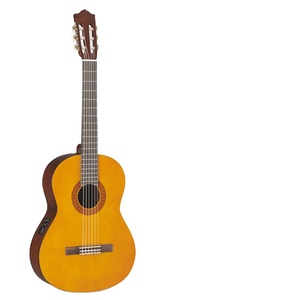
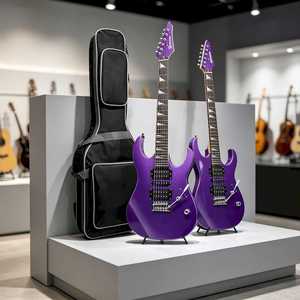
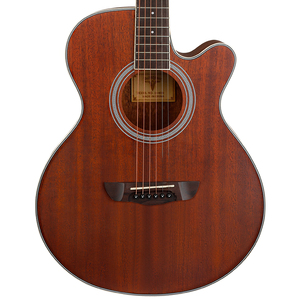
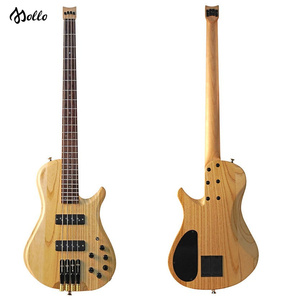
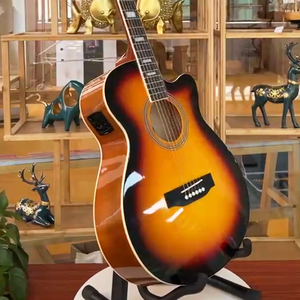
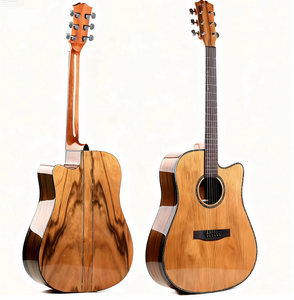
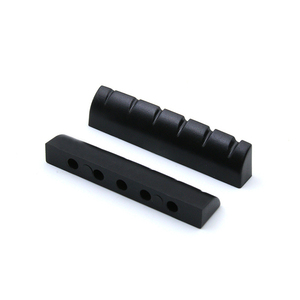

Structural Anatomy of the Industrial Dreadnought: Resonance Physics & Joinery Standards
The dreadnought acoustic guitar—first conceived to satisfy demands for expanded dynamic headroom and low-frequency projection in early 20th-century ensembles—remains the indisputable cornerstone of the fretted musical instrument sector. In high-output manufacturing and global trade, producing a competitive dreadnought demands much more than assembling a 41-inch wooden box; it requires an intricate balance of wood biomechanics, acoustic resonance engineering, environmental moisture equilibrium, and precision mechanical tooling.
At the heart of every world-class dreadnought is the soundboard voicing system. Modern OEM and ODM production lines utilize forward-shifted, quarter-sawn parabolic X-bracing crafted from high-altitude Sitka spruce or Engelmann spruce. The positioning of the X-intersection, situated exactly 1 inch to 1.25 inches south of the soundhole, uncouples the lower bout, allowing the vibrating diaphragm of the top plate to oscillate with maximum excursion without structural deflection. Scalloping the tone bars redistributes tension away from the perimeter, substantially decreasing acoustic damping and granting that deep, punchy low-end response and mid-range bark that defines the traditional dreadnought profile.
Quarter-Sawn Soundboards
Carefully grain-matched spruce tops sliced strictly perpendicular to annual growth rings minimize runout, maximize lateral stiffness-to-weight ratios, and prevent longitudinal body warpage under continuous 160-180 lbs string tension.
Compound Mortise & Tenon Joints
Engineered joinery stabilized via automated multi-axis CNC cutting ensures an exact 1.5-degree neck pitch. Acoustic wave transfer across the mahogany neck and interior heel block occurs seamlessly, eliminating mechanical phase cancelation.
Micro-Density Bone Saddles
Unbleached natural bovine bone nuts and compensated bridge saddles provide superior molecular density compared to injection plastics, guaranteeing string harmonics translate efficiently to the bridge plate without transient energy loss.
Procurement Transformation: Global Supply Chain & Future Sourcing Trajectories
As the musical instrument marketplace adapts to stringent global customs mandates, ecological accountability, and shifts in wholesale inventory management, international procurement directors must anticipate significant manufacturing shifts over the 2025–2030 cycle. The traditional reliance on non-certified exotic tonewoods has pivoted permanently toward engineered sustainability, thermal torrefaction kilns, and digital supply chain integration.
1. Torrefaction & Atmospheric Acclimatization (Thermo-Cured Wood): One of the chief operational liabilities facing acoustic guitar importers is climatic cracking and top-sinking caused by abrupt relative humidity (RH) shifts between manufacturing origin ports and destination container terminals. High-caliber manufacturers now implement vacuum-chamber torrefaction, baking soundboards at 160°C to 200°C in oxygen-free kilns. This pyrolytic process breaks down volatile hemicellulose compounds within the wood cell walls, permanently reducing hygroscopic moisture intake capacity by up to 50%. The result is a dreadnought top that mimics the crystalline resonant qualities of an instrument aged for fifty years while exhibiting superior dimensional stability across global shipping routes.
2. Regulatory Equilibrium (CITES II & EUTR/Lacey Act Strict Compliance): The global tightening of controls around Dalbergia species (Rosewoods) and Swietenia macrophylla has solidified the commercial shift toward sustainable, legally certified alternate tonewoods. Leading exporters utilize high-density engineered composite laurel, African sapele, ovangkol, and FSC-certified Indian rosewood with end-to-end chain-of-custody documentation. Corporate buyers are mitigating customs seizure exposure by enforcing strict digital CITES documentation before container departure.
3. Thin-Film Electrostatic UV-Cured Finishes: Environmental regulations regarding Volatile Organic Compounds (VOCs) and retail consumer appetites for open-pore, dynamic acoustic response have driven the retirement of heavy polyester lacquers. Advanced production hubs now employ automated robotic electrostatic UV-cured finish booths. Applying a flexible, ultra-thin 0.08mm to 0.12mm polyurethane or acrylic lacquer cures in seconds under ultraviolet illumination, producing exceptional surface hardness, scratch resistance, and acoustic transparency while shrinking manufacturing production cycles by over 60%.
Robotic Quality Benchmarks: The Convergence of Luthier Artistry and Factory Scale
The benchmark for entry-level and intermediate dreadnoughts has escalated exponentially. What once required master luthier intervention can now be consistently executed across 10,000-unit monthly production runs via advanced metrology and digital automation. By merging artisanal hand-voicing traditions with automated manufacturing cells, our export infrastructure guarantees unparalleled consistency across all SKU batches.
PLEK Robotic Scanning
Every fretted fingerboard is subjected to micro-sensor laser profiling under actual string tension, leveling each nickel-silver or stainless fret to within 0.01mm tolerances, eliminating fingerboard buzz and yielding ultra-low factory string actions.
Laser Interferometry Testing
Non-destructive modal testing evaluates resonant Chladni patterns across raw spruce tops before gluing, sorting wood blanks into optimal acoustic grades (A, AA, AAA, Master Grade) according to elasticity modulus rather than visual cosmetics alone.
Dual-Action Carbon Truss Rods
Embedded dual-action steel truss rods flanked by aerospace-grade pultruded carbon-fiber reinforcement bars prevent neck twisting and seasonal bowing, providing unwavering neck relief across harsh desert or tropical climates.
Why Premier Brands & Global Wholesalers Choose Our Industrial Ecosystem
Combining multi-decade legacy heritage, parent corporation governance, and flexible OEM customization to build long-term, risk-free enterprise supply relationships.
Institutional Heritage & Scale
Drawing on the corporate backing, engineering discipline, and international quality management frameworks aligned with JAM USA LLC standards, our operations bridge the gap between factory direct economics and Western commercial reliability.
Comprehensive Fretted Ecosystem
Our operational catalog encompasses acoustic, classical, electric, and bass categories alongside precision hardware components like bone nuts and bridge saddles, enabling importers to aggregate mixed container SKUs under one single ocean freight manifest.
OEM/ODM Turnkey Customization
From custom headstock contours, proprietary body shapes (Cutaway Dreadnought, Grand Auditorium, OM), laser wood inlays, to personalized retail color packaging, our design engineering teams turn 3D CAD blueprints into production prototypes within 14 working days.
Containerized Transit Assurance
Export packaging features double-walled 5-ply corrugated export cartons, high-density molded EPE shock absorbers, and silica-gel climate mitigation chambers inside each master carton, preventing ocean freight damage, salt spray, and box collapse.
Frequently Asked Questions for B2B Importers
Critical operational insights addressing minimum order volumes, export compliance, climatic guarantees, and customized branding workflows.
What are your baseline Minimum Order Quantities (MOQ) for custom private-label Dreadnought guitars?
How do you safeguard acoustic guitars against wood warping and cracking during long ocean transits?
Can you provide complete Lacey Act and CITES Appendix II export certifications?
What finish options and electronics systems can be integrated into OEM acoustic runs?
What is the standard production lead time from prototype sign-off to port loading?
Scale Your Musical Instrument Line with a Trusted Manufacturer
Whether you require full-container OEM dreadnought production, customized student guitar programs, or private label component supply, our engineering sales group is prepared to analyze your technical specifications and provide transparent factory-gate pricing.
Inquire Now