≤ ±0.02mm
CNC Truss Slot Tolerance
6% - 8%
Thermovacuum Moisture Target
600,000+
Annual Neck Production Capacity
100% CITES
Compliant Timber Chain-of-Custody
Precision Fretboards, Necks & Factory-Direct Assemblies
Engineered for seamless fitment, tonal equilibrium, and cross-climate endurance. Explore our high-volume production units crafted to international retail and distributor specifications.
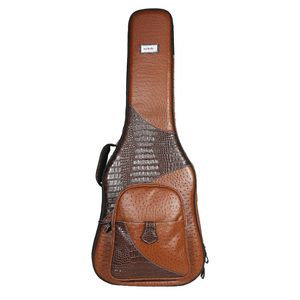
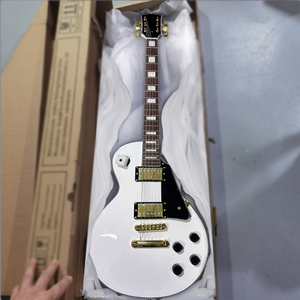
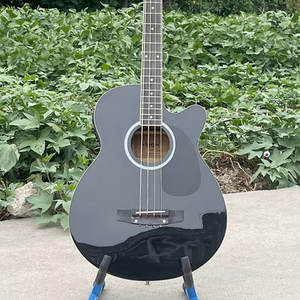
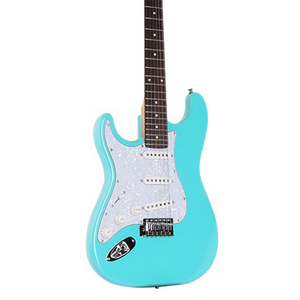
Electric Guitars & Necks
Product Details →
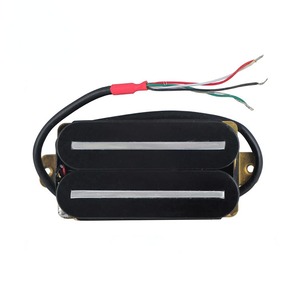
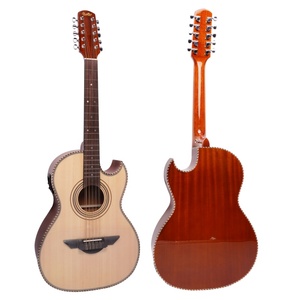
Traditional & Specialty
Product Details →
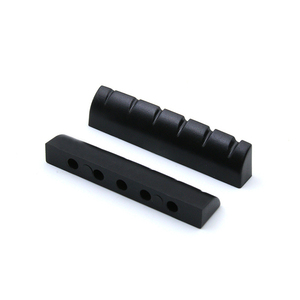
Modular Bolt-On Assemblies
Product Details →
Industrial Neck Engineering: The Tolerances That Define Resonance
A comprehensive examination of tonewood hygroscopy, structural stress mitigation, and multi-axis automated CNC tooling for industrial instrument factories.
Atmospheric Equalization
The primary point of failure in bulk neck distribution is environmental hydro-expansion. We utilize dual-phase computerized kiln chambers that gradually bring Canadian hard rock maple and African mahogany to an invariant 6.5% equilibrium moisture content (EMC).
- Eliminates post-export fret sprouting
- Torrefaction (roasted) processing at 200°C
- Sub-surface cell crystallization
Multi-Axis CNC Shaping
Manual profiling leads to inconsistent neck carves across high-volume production batches. Our German 5-axis CNC machining centers run subroutines ensuring back profile uniformity down to five-hundredths of a millimeter across vintage C, modern D, and compound profiles.
- Automated dual-action truss rod routing
- Carbon fiber reinforcement slotting
- Continuous compound radius profiling (9.5" to 14")
Fretwork & Heel Micro-Geometry
The neck-to-body pocket interface represents over 70% of mechanical string energy transmission. We utilize automated hydraulic fret press stations followed by robotic pleking and diamond dressing to guarantee zero-dead-spot intonation straight from the crate.
- Semi-hemispherical ball-end fret treatment
- Symmetric tenon joinery for set-neck instruments
- Pre-installed, calibrated bone and tusq nuts
Industrial Tonewood & Production Matrix
Direct comparison parameters across standard high-capacity manufacturing profiles for OEM brand development and global procurement tenders.
| Tonewood / Spec | Construction Grade | Flexural Rigidity (GPa) | Climatic Stability Index | Ideal Application | CITES Status |
|---|---|---|---|---|---|
| Roasted Hard Rock Maple | AAAA Quarter-Sawn | 14.8 GPa | 99.4% (Hydrophobic) | Tour-Grade Solid Body & Bass | Exempt / Universal |
| Selected African Mahogany | Select Grade Single-Piece | 11.2 GPa | 94.2% (Dual Truss Stiffened) | Set-Neck LP/Acoustic Instruments | Appendix II Certified |
| Engineered Rosewood Replacements | High-Density Phenolic Core | 16.5 GPa | 99.9% (Zero Hygroscopic Drift) | High-Throughput Student Lines | Fully Unrestricted |
| Quarter-Sawn Padauk / Wenge | Multi-Laminate 5-Ply | 17.4 GPa | 97.8% (Extreme Shear Resistance) | Extended Range 7/8 String & Bass | Managed Verification |
Emerging Trends Reshaping Musical Instrument Sourcing
Market intelligence for commercial brands navigating sustainability regulations, automation economics, and changing consumer touchpoint dynamics.
The Universal Shift to Torrefaction
Thermal modification has moved from custom shops to high-volume assembly lines. By baking tonewood in zero-oxygen nitrogen furnaces, hemicellulose is degraded, permanently neutralizing wood's reaction to relative humidity swings during containerized sea transit.
B2B Impact: Up to an 85% decline in dealer warranty returns caused by warped necks and jagged, protruding frets in dry retail environments.
Composite Core Structural Reinforcement
Modern fast-playing, thin-neck profiles necessitate higher structural stability than single-piece timber can deliver alone. Dual pultruded carbon-fiber reinforcement rods placed laterally along the two-way truss channel are becoming standard procurement requirements for commercial guitar builders.
B2B Impact: Guarantees truss rod functionality over decades while maintaining low string action under high-tension baritone and bass tunings.
Strict Regulatory Compliance (EUDR & Lacey Act)
With the implementation of the European Union Deforestation Regulation (EUDR) and stringent US Lacey Act monitoring, manual paper logs are defunct. Industrial exporters must maintain automated geolocation tagging and complete timber provenance tracking from forest concession to container seal.
B2B Impact: Importers completely mitigate the risk of port-of-entry vessel seizures, bureaucratic fines, and shipment destructions.
Why International Brands Choose Our Manufacturing Infrastructure
Decades of industrial instrument engineering back every container we dispatch across Europe, North America, and Asia.
Established Corporate Reliability
Leveraging deep industrial partnerships and professional musical merchandise groups, providing verifiable institutional backing and commercial security for million-dollar procurement lines.
Full Scale OEM/ODM Customization
From vintage round back-profiles to ergonomic modern multi-scale fingerboards with compound radius fretboards, our tooling shops prepare unique tooling runs to your exact blueprint schematics.
Turnkey Merchandising Readiness
Complete integration of complementary products including custom gig bags, high-grade electronics, pre-slotted bone nuts, and pre-packaged hardware saves overseas clients significant assembly friction.
Global Port & Custom Expediting
Exporting musical goods requires complex trade certificates. We handle end-to-end documentation: Lacey Act declarations, Phytosanitary inspection seals, and CITES export clearance paperwork.
Frequently Asked Questions for Bulk Guitar Neck Importers
Key operational, engineering, and contractual criteria clarified for corporate procurement managers.
What is your minimum order quantity (MOQ) for custom profile OEM guitar necks?
Our standard production MOQ starts at 100 units for standard bolt-on configurations (such as ST or TE scale profiles using kiln-dried Canadian Maple). For specialized custom profiles requiring brand-exclusive CNC programming, custom headstock shapes, or unique multi-scale fret cuts, the production batch threshold is typically 300 to 500 units per specification to optimize toolpath setup economics.
How do you ensure zero fret sprout during transoceanic shipping?
Fret sprouting is prevented through our proprietary dual-step hydro-control protocol. Raw wood billets undergo deep vacuum kiln drying followed by climate stabilization until wood moisture content registers between 6% and 8%. During manufacturing, fret edges are dressed, beveled at 35 degrees, or finished with hemispherical ball-ends inside an environmentally controlled workshop maintained strictly at 45% to 50% relative humidity. Each master carton is heat-sealed with desiccants inside barrier film.
Can you manufacture necks with customized truss rod placements and dual carbon fiber rods?
Yes. We routinely manufacture high-performance modern electric guitar and multi-string bass necks featuring dual-action two-way steel truss rods paired with twin aerospace-grade pultruded carbon-fiber stabilization bars. Spokes-wheel truss adjustments at the heel, classic headstock bullet cavities, or discreet spoke access designs are fully customizable within our 5-axis CNC routing line.
What compliance certifications are supplied for international customs clearance?
Every shipment exported through our global logistics department is supplied with legal timber chain-of-custody documentation. This includes certified CITES Appendix II/III export re-export certificates for controlled rosewoods or protected mahoganies, official Phytosanitary sterilization certificates, and Lacey Act filing reports for prompt clearance into United States, Canadian, European, and Australian ports of entry.
Do you offer unfinished, sealed, or fully finished high-gloss/polyurethane necks?
We provide comprehensive surface options tailored to your assembly infrastructure. Choose between raw fine-sanded (400-grit prepped for your own paint line), ultra-thin vintage amber nitrocellulose lacquer, modern satin open-pore polyurethane, or heavy-duty polyurethane finishes. We can also provide oil-rubbed gunstock wax surfaces and custom silkscreen/laser brand logos on the headstock face.
Ready to Scale Your Fretted Instrument Production?
Connect with our technical luthier engineering team to review 2D/3D CAD blueprints, sample prototypes, tonewood inventory availability, and volume export tariff rates.