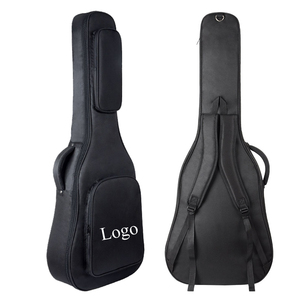
Featured Commercial Fretted Instrument Portfolio
Precision-engineered electric, acoustic, and bass configurations calibrated for high-durability institutional performance, school music programs, and stage work across East Africa.
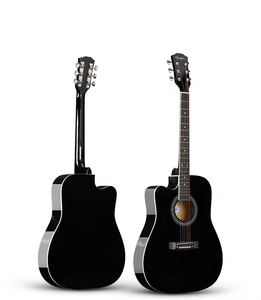
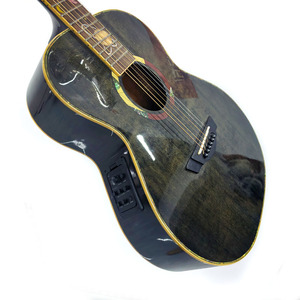
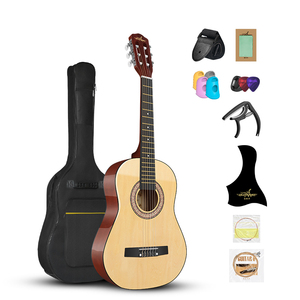
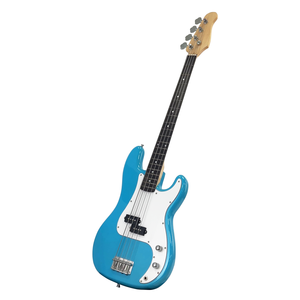
Comprehensive Strategic Whitepaper: Deploying the Jay Turser CL Series Bass in Ethiopia
The commercial distribution landscape for Western musical instruments across East Africa has reached an inflection point. In Ethiopia, particularly across urban centers including Addis Ababa, Hawassa, Adama, and Bahir Dar, the expansion of modern gospel ensembles, contemporary live venues, community academies, and private education networks has driven record demand for durable rhythm-section gear. As an established division of JAM USA LLC, Jay Turser addresses a critical structural gap in this region through the Jay Turser CL Series Bass. Designed specifically around an uncompromising equilibrium of structural stability, electro-acoustic versatility, and accessible unit economics, the CL Series functions as a strategic asset for commercial importers, musical retail networks, and organizational procurement teams.
Acoustic Architecture, Structural Density, and Climate Optimization
East African geographies present hyper-specific operational challenges for fretted instruments. Importers routing cargo through the port of Djibouti into the central Ethiopian plateau subject musical equipment to extreme hygrometric swings—transitioning from high-temperature maritime humidity at sea level to the high-altitude (2,355 meters), low-humidity rarefied air of Addis Ababa. Poorly cured timber frequently warps, develops fret sprouting, or experiences truss-rod failure within months of importation.
The Jay Turser CL Series counteracts these ambient stress factors through industrial-grade stabilization protocols:
- Kiln-Dried Solid Hardwood Bodies: Sourced tonewoods undergo prolonged stabilization cycles to lock moisture content at an optimal 8%–10%, eliminating body seam splitting under drastic pressure differentials.
- Multi-Radius Hard Maple Necks: Quarter-sawn maple construction maximizes tensile resistance against string tension, coupled with double-action adjustable steel truss rods that allow on-site micro-adjustments by local Ethiopian technicians.
- Engineered Fretwork Seals: Beveled fret crowns set into conditioned rosewood or dense composite fingerboards prevent fret-end expansion, ensuring player comfort in variable microclimates across both the Kiremt (wet) and Bega (dry) seasons.
Localized Application Scenarios Across Ethiopian Musical Ecosystems
The deployment of the Jay Turser CL Series bass within Ethiopia spans distinct functional environments, each requiring distinct mechanical and sonic capabilities:
1. Modern Liturgical & Evangelical Praise Environments: Contemporary Ethiopian gospel music (Mezmur) relies heavily on extended, fluid, rhythmically dense 16th-note bass runs interspersed with aggressive slap accents. The dual single-coil / split humbucking pickup configurations found on CL Series basses produce high output across fundamental low-mid frequencies (120 Hz to 800 Hz), ensuring distinct tonal articulation that cuts cleanly through live acoustic spill without overloading typical mid-tier public address systems.
2. Urban Ethio-Jazz and World Fusion Venues: Across live stages in Bole, Kazanchis, and Piazza, musicians perform modern hybrids combining pentatonic scales with Western funk and soul basslines. The dynamic tone sweeps of the CL Series accommodate both vintage warmth and crisp modern treble attack, facilitating rapid transitions between traditional modal accompaniment and complex fusion improvisations.
3. Music Conservatories and Vocational Academies: With institutions like the Yared School of Music expanding their outreach, secondary academies require standard-scale (34-inch) four-string and five-string platforms that withstand constant daily student usage. The CL Series offers dependable intonation across all frets, eliminating hand-fatigue issues that often impede early technical development.
Supply Chain Integration, Djibouti Freight Corridors & Customs Navigation
Efficient procurement for Ethiopian musical merchants requires end-to-end logistics foresight. Export consignments originating from our global assembly hubs are packed in heavy-duty export master cartons lined with vapor-barrier desiccant packs, engineered to endure the rigorous multi-modal transit corridor from the Port of Djibouti via the Ethio-Djibouti Railway to the Modjo Dry Port container terminal.
Furthermore, our trade compliance specialists support importers with accurate Harmonized System (HS) classifications (specifically HS Code 9202.90 for other fretted string musical instruments and 9207.90 for electric string instruments), streamlining Ethiopian Customs Commission inspection, valuation, and excise processing. This institutional backing ensures prompt release, low demurrage exposure, and full regulatory conformity.
Macro Trends Shaping Ethiopian Musical Instrument Procurement
Strategic market intelligence for regional wholesalers, dealers, and institutional buyers.
Digital Studio Boom
Home production setups across Addis Ababa demand clean direct-input (DI) bass tracking. The CL Series passive electronics deliver ultra-low self-noise floors, pairing seamlessly with USB audio interfaces without grounding hum.
Decentralized Retail Distribution
Retail growth is accelerating beyond the capital into secondary hubs like Hawassa, Dire Dawa, and Gondar. Dealers require consistent, scalable SKUs with universal appeal that require negligible after-sale warranty interventions.
Budget Rationalization
Foreign exchange fluctuations incentivize importers to target high-turnover instruments. Jay Turser provides commercial profit margins that allow retailers to undercut overpriced vintage imports while maintaining strong gross margins.
Why Direct Importers Partner with Jay Turser
Institutional reliability, supply-chain control, and verified manufacturing heritage.
Division of JAM USA LLC
Operating under one of North America's premier distribution giants provides unmatched supply-chain stability, strict quality governance, and financial backing for enterprise procurement.
Rigid Multi-Stage QA
Every CL Series bass undergoes precision neck relief gauging, fret dressing, electronic potting verification, and bridge intonation checks before overseas container sealing.
Turnkey Digital Assets
Dealers receive comprehensive merchandising packages: high-resolution white-box studio assets, verified technical schematics, and staff training collateral for effortless omnichannel sales.
Comprehensive Catalog Breadth
Consolidate your orders under a single master bill of lading: electric guitars (300, LT, 30 Jr), acoustics (Jay J, Jay Jr, JTA), and basses (400, CL Series) for complete wall stocking.
Procurement & Import FAQs for the Ethiopian Market
Actionable guidance on logistics, payment terms, quality assurance, and local performance.
What makes the Jay Turser CL Series Bass suitable for Ethiopia’s varied climate?
The CL Series employs dual-cured solid tonewood bodies and kiln-dried Canadian maple necks fitted with heavy-duty double-action steel truss rods. This mechanical structure prevents thermal contraction and fret warping when instruments move from hot, humid maritime shipping corridors through Djibouti into the dry, high-elevation plateau of central and northern Ethiopia.
How can Ethiopian importers structure container shipping and customs clearance?
Consignments are typically shipped under CIF Djibouti or CIP Addis Ababa terms. Cargo transitions seamlessly via the Ethio-Djibouti standard-gauge railway to the Modjo Dry Port. We provide full trade documentation sets including commercial invoices, packing lists with net/gross weights and CBM calculations, certificates of origin, and explicit HS Code classifications (HS 9207.90) to streamline Ethiopian Customs Commission tariff clearing.
What are the minimum order quantities (MOQ) and lead times for regional distribution?
We support mixed-container purchasing across our complete fretted instrument portfolio (including Jay Turser electrics, acoustics, gig bags, and accessories) to reduce capital concentration risk for dealers. Standard sea freight production cycles range between 30 to 45 days, followed by 18 to 24 days transit to the Port of Djibouti.
Does the CL Series provide the required dynamic range for Ethiopian live worship styles?
Yes. The pickup configuration and precision-wound single-coil/split-coil circuitry emphasize high mid-range clarity and punchy sub-low dynamics. This frequency profile prevents bass signal muddying in live church sanctuaries and public halls where complex polyrhythms and vocal harmonies dominate the front-of-house mix.
How does Jay Turser protect instruments against moisture damage during sea transit?
Every bass is wrapped in high-density anti-static foam, secured inside a five-ply reinforced inner carton with military-spec silica gel desiccant packs, and further palletized and shrink-wrapped with waterproof membrane coverings inside the shipping container. This eliminates moisture ingress along the Red Sea freight corridor.
Initiate Your Commercial Wholesale Procurement
Partner with Jay Turser to scale your musical merchandise operations. Connect with our international trade desk to request technical specifications, wholesale dealer price lists, and consolidated container delivery schedules for the Ethiopian market.