Factory-Direct Electric, Acoustic & Bass Components
Source OEM-spec guitar hardware, CNC machined assemblies, magnetic pickups, and aged tonewoods optimized for North American distributors, repair hubs, and custom guitar builders.
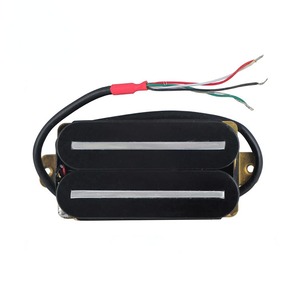
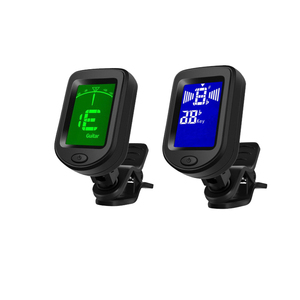
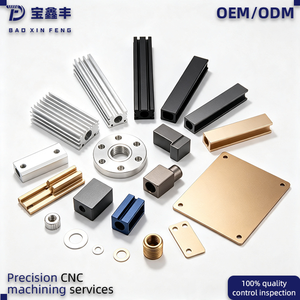
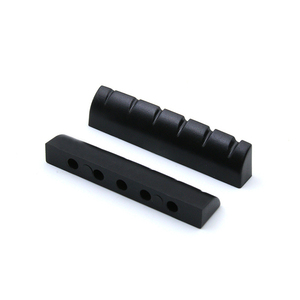
Engineering Musical Excellence for the US Guitar Market
A rigorous examination of supply chain resilience, micro-tolerance fabrication, and the strategic positioning of China manufacturing infrastructure supporting the United States musical instrument sector.
Tier-1 Metallurgical Purity
US instrument brands demand structural hardware that eliminates dead spots. Our zinc-alloy die casting and cold-rolled steel blocks deliver uniform acoustic transfer rates, eliminating interior air pockets that degrade sustain in tremolo systems.
5-Axis CNC Precision
Neck pockets, pickup routings, and bridge stud locations are fabricated to micro-tolerances below ±0.005mm. This eliminates hand-fitting bottlenecks for high-throughput assembly lines across California, Tennessee, and Pennsylvania.
Regulatory Traceability
Every shipment imported into the United States comes fully certified under the US Lacey Act, RoHS Directive 2011/65/EU, and California Proposition 65, guaranteeing zero friction with US Customs and Border Protection (CBP).
The Paradigm Shift in US Fretted Instrument Sourcing: Quality-Driven Scalability
The contemporary United States guitar industry is navigating an era defined by intensified aftermarket customization, boutique brand expansion, and stringent cost-efficiency mandates. For decades, the relationship between American musical instrument distributors and Chinese production centers was perceived merely through the lens of entry-level economies of scale. Today, backed by multi-decade manufacturing partnerships such as those pioneered by JAM USA LLC and heritage brands like Jay Turser, Chinese manufacturing infrastructure has evolved into a premier engineering powerhouse capable of delivering master-grade components that rival or exceed domestic artisan workshops.
Whether fabricating precision dual-rail humbuckers with specialized coil-split architectures or shaping select-grade Pacific Northwest alder bodies to vintage 1950s radius blueprints, modern guitar production is fundamentally an exercise in materials science and robotic repeatability. American procurement directors no longer look overseas solely for cost abatement; they seek reliable manufacturing agility capable of mitigating domestic labor deficits, stabilizing lead times, and safeguarding gross margins.
Acoustic Resonance & Electro-Magnetic Engineering
A guitar is a kinetic system where every single interface—from the chemical density of the bovine bone saddle to the winding tension of 42 AWG plain enamel copper wire—dictates tone generation. When engineering our electric pickups and hardware lines for the American market:
- Magnetic Field Flux Consistency: In our dual-rail and traditional humbucking pickups, Alnico II, Alnico V, and refined Ceramic-8 bar magnets are subjected to computerized gauss calibration. This maintains an unbroken magnetic field across wide string bends, preventing volume drop-offs common in traditional staggered pole pieces.
- Automated Scatter-Winding Mimicry: Modern automated winding machines utilize proprietary tension sensors to replicate the nuanced capacitance of hand-wound vintage 1960s pickups, yielding transparent harmonic overtone bloom while keeping DCR tolerances strictly within ±2%.
- Cryogenic Tone Tempering: Bridge saddles, steel sustain blocks, and fret wire alloys undergo proprietary stress-relieving thermal cycles, increasing metallurgical density to preserve upper-midrange attack.
Tonewood Equilibration for Extreme North American Climates
One of the primary challenges faced by American musical instrument importers is post-import dimensional instability. An electric or acoustic guitar neck fashioned from improperly equilibrated timber can bow, twist, or suffer severe fret sprout when transitioning from the high-humidity environment of coastal transit to the arid heating conditions of an Upper Midwest winter or a Southwest desert climate. Our state-of-the-art kiln-drying facilities implement a controlled 45-day de-humidification and cellular relaxation protocol, stabilizing alder, mahogany, and Canadian hard rock maple blanks to an exact moisture equilibrium of 8% to 10%. This rigorous treatment permanently mitigates internal wood shear stress, guaranteeing that neck pockets fit snugly and fingerboards remain flat throughout nationwide dealership distribution.
Tailored Integration Across US Guitar Sectors
How our component catalog powers businesses across the United States musical ecosystem.
Boutique Custom Builders
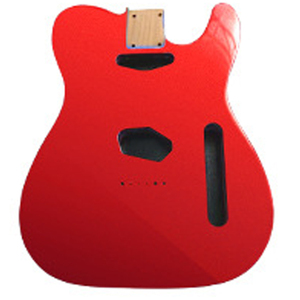
Drop-in CNC routed two-piece alder bodies and precision bone nuts that save master luthiers 12+ hours of hand shaping per custom build.
National Service Hubs
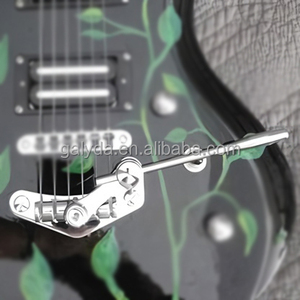
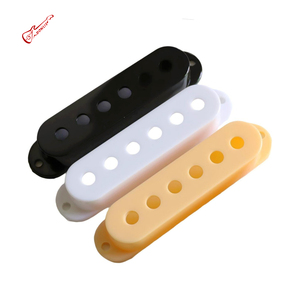
High-reliability replacement components, tremolo tailpieces, and universal pickup covers designed to streamline bench repairs for high-volume service centers.
Private-Label OEM Brands
Comprehensive turnkey guitar programs replicating the success of Jay Turser instrument series, backed by corporate-grade quality assurance.
Fretted Aftermarket Retailers
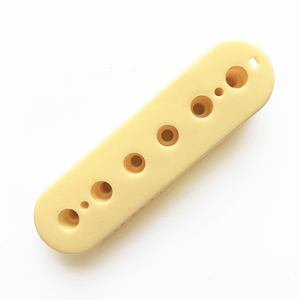
Retail-ready packaged hardware, chromatic tuners, and pickup bobbins optimized for lucrative high-margin e-commerce and retail display pegs.
Why American Industry Leaders Partner With Our Factory
Corporate Accountable Heritage
Grounded in the operational principles honed across international distribution brands like JAM USA LLC and Jay Turser, our manufacturing processes reflect over 30 years of direct accountability to Western consumer expectations.
DDP Sea & Air Logistics
We eliminate supply chain opacity by offering full Delivered Duty Paid (DDP) logistics directly to domestic 3PL warehouses in Los Angeles, Dallas, Chicago, and Savannah, assuming all customs clearance and tariff liabilities.
Flexible Minimum Orders (MOQs)
We empower growing boutique brands by offering tiered production runs—from trial batch evaluations of 100 units for custom CNC assemblies to 10,000-unit monthly deliveries for established commercial brands.
Frequently Asked Questions by US Purchasing Directors
Essential trade, technical, and regulatory intelligence for sourcing guitar components from China to North America.
How do you guarantee Lacey Act compliance for timber imported into the US? +
What electroplating standards are used to prevent corrosion in humid US regions? +
Can you customize pickup bobbins and magnetic poles to match proprietary vintage specs? +
What are the typical lead times and DDP freight arrangements for US West vs. East Coast ports? +
How does your manufacturing quality control compare to domestic US CNC facilities? +
Do your components satisfy California Proposition 65 and RoHS environmental mandates? +
Request the Comprehensive 2026 OEM Guitar Components Catalog
Connect directly with our engineering division to review bulk tiered pricing, custom CNC prototype scheduling, and tailored private-label manufacturing programs for the United States market.