Verified OEM & Export Instrument Showcase
Engineered for tone connoisseurs, high-throughput distributors, and regional brand leaders across South America. Explore our core OEM platforms built to survive extreme climates and diverse musical demands.
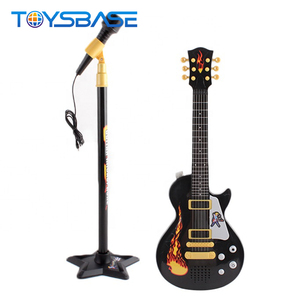
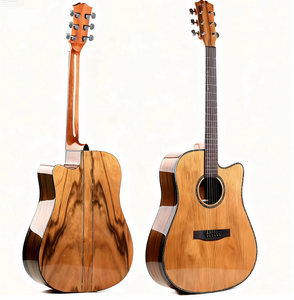
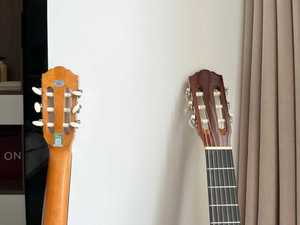
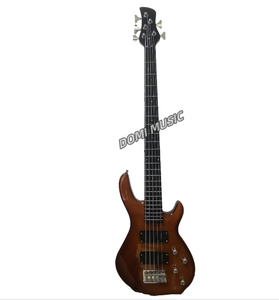
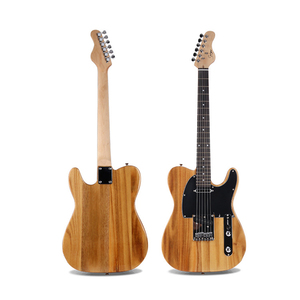
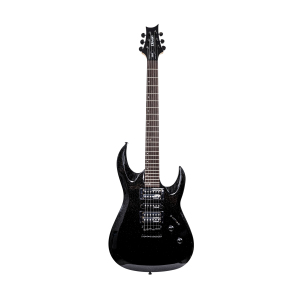
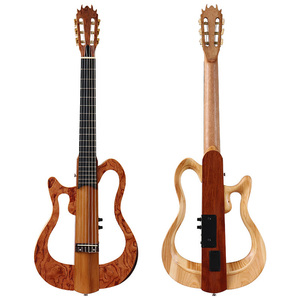
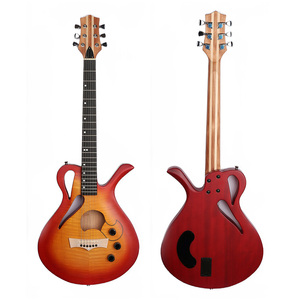
1. Strategic Industrial Overview: Vintage Electric Guitars for Brazil
The Latin American fretted instrument market is led decisively by Brazil, driven by a rich musical ecosystem spanning classic MPB, Bossa Nova, Sertanejo Universitário, Gospel, and thriving Heavy Metal scenes. In this competitive landscape, importing musical instruments requires precision: dealing with complex trade structures, volatile currency exchange, and intense climatic shifts between equatorial moisture and inland heat. Jay Turser, operating under the institutional umbrella of JAM USA LLC, delivers a high-gain manufacturing formula designed specifically to conquer these operational challenges.
Vintage electric guitars—characterized by golden-era curves, period-accurate Alnico III/V magnetics, nitrocellulose or thin-polyurethane finishes, and classic neck contours—have surged in popularity among Brazilian guitarists. However, preserving vintage tonal warmth while guaranteeing the structural durability required for shipping through tropical logistics corridors demands advanced industrial capability. Our specialized production facilities integrate classic luthier hand-shaping with state-of-the-art climate-controlled kiln drying, establishing unmatched stability across transatlantic supply chains.
Tropicalized Wood Treatment
Standard tonewoods shipped directly to Brazil often experience neck warping, fret sprout, and bridge lifting due to sudden swings between 85% coastal humidity in Rio/Salvador and low interior humidity. Our woods undergo a specialized secondary desiccation and stabilization cycle, stabilizing moisture content precisely between 8% and 12% before finish application.
Engineered Anti-Corrosion
Brazil’s coastal exposure introduces high salinity into the atmosphere, causing premature oxidation on standard nickel frets and hardware. We engineer our export batches with sealed pot-metal tuning machines, high-purity electroplated brass/zinc bridges, and specially passivated nickel-silver frets to ensure showroom shine after long ocean transits.
Simplified Regulatory Logistics
Navigating Brazil's Receita Federal and custom clearance channels demands meticulous documentation. We provide verified NCM (Nomenclatura Comum do Mercosul) coding, pre-vetted packing manifests, and strict compliance documentation avoiding CITES Appendix-I species, avoiding costly demurrage charges at port hubs like Santos and Paranaguá.
2. Localized Brazilian Market Application Scenarios
A successful retail assortment in Brazil cannot rely on one-size-fits-all product specs. Musical application in Brazil is intensely regional and culturally expressive. Here is how our OEM catalog addresses specific domestic usage tiers:
A. The Modern Church & Gospel Megachurch Movement
Gospel and contemporary worship music represent one of the largest fretted-instrument purchasing sectors across São Paulo, Minas Gerais, and Goiás. Guitarists in these settings demand clean, ambient headroom, expressive dynamic response, and extreme tuning stability for extended playing sessions. Platforms like our S-G17/S-G18 Semi-Hollow F-Hole Mahogany and JT-300M Single-Coil Platforms excel here, offering crystalline chimes and versatile tone switching that blend seamlessly into massive audio-visual production setups.
B. Sertanejo Universitário & Touring Ensembles
Sertanejo bands maintain grueling national touring schedules, operating on buses and planes moving quickly between high-altitude states and humid tropical arenas. Reliability is non-negotiable. Instruments like our Professional 5-String and 6-String Bass Guitars deliver punchy low-end definition capable of cutting through live festival PA rigs, while dual-action carbon-reinforced truss rods prevent truss lockups across changing climates.
C. Music Academies & Beginner Conservatories
With music education expanding through municipal social programs and private conservatories, dealers require cost-efficient, low-action starter axes that do not discourage beginners. The Jay Turser 30 Jr Series and Bullfighter MS-3612 Classical Nylon provide comfortable neck ergonomics, zero dead frets, and forgiving string actions, ensuring long-term student retention and repeat retail foot traffic.
3. Emerging Market Trends & Macro Analysis in Brazil (2025–2030)
To maximize import profit margins, commercial buyers must align their wholesale purchasing strategies with prevailing domestic economic trends:
| Market Trend | Commercial Indicator | Strategic Factory Response |
|---|---|---|
| Boutique Relic & Vintage Aesthetics | Growing player demand for distressed finishes, aged binding, and warm Alnico magnets without high custom-shop price tags. | Automated CNC shaping combined with artisan hand-burnished aging and thin coats that enhance tonewood resonance. |
| Rise of Domestic Home Studios | Compact home recording spaces in Curitiba, Florianópolis, and São Paulo create higher demand for hum-canceling and silent models. | Integration of dual-shielded pickup cavities, reverse-wound reverse-polarity (RWRP) middle pickups, and specialized silent travel designs. |
| Direct-to-Consumer Boutique Retailing | Independent distributors are launching targeted regional sub-brands via Mercado Livre and independent e-commerce storefronts. | Flexible OEM private-label branding, customized headstock shaping, low MOQ batch runs, and packaging engineered to withstand regional courier abuse. |
4. Enterprise Competitive Advantages: Why Partner with Jay Turser / JAM USA LLC
Global sourcing managers know that initial piece prices can be deceptive if poor packing causes shipment damage or inconsistent neck relief produces high return rates. Jay Turser bridges Chinese manufacturing efficiency with North American supply-chain governance backed by our parent company, JAM USA LLC (an Exertis business). Here is why tier-1 distributors partner with us:
✔ Comprehensive Product Ecosystem: Complete coverage across electric, acoustic, semi-hollow, classical, and bass guitar categories simplifies your supply chain, allowing full container load (FCL) optimization with a single trusted exporter.
✔ Rigorous Luthier Quality Control: Every instrument undergoes a multi-stage inspection covering fret leveling, action setup, pickup winding resistance, and finish gloss metrics before final packaging.
✔ Turnkey Marketing Collateral: We provide distributors with high-resolution studio photography, complete technical datasheets, and ready-to-deploy retail assets, speeding up catalog indexing across online channels.
✔ Sustainable Tonewood Sourcing: All timbers used in our export series comply strictly with international environmental standards, featuring sustainable alternative fretboards such as technical rosewood, baked maple, and engineered laurel that ensure trouble-free customs clearance.
5. Brazil Local Buyer Procurement FAQ
What are the standard lead times and Minimum Order Quantities (MOQ) for Brazil shipments?
Our standard production lead time ranges from 30 to 45 business days upon order confirmation and deposit payment. For standardized stock series, MOQs start as low as 30 to 50 pieces per model finish. For full OEM/ODM custom headstock engravings, private labeling, and custom color variations, our typical MOQ is 100 to 200 units, structured to optimize sea container loading (20GP or 40HQ) and minimize per-unit maritime freight charges.
How does the factory address Brazilian customs requirements (NCM code and wood compliance)?
We classify our fretted instruments under Mercosul NCM code 9202.90.00 (Other string musical instruments) and NCM 9207.90.00 (Electro-magnetic instruments). All tonewoods are kiln-treated, accompanied by phytosanitary fumigation certificates, and free from CITES Appendix-I species, fully protecting your shipment against delays or rejections by Brazilian environmental agencies (IBAMA) and customs.
What packaging protections are used to prevent container damage during transatlantic transit?
Each instrument is vacuum-sealed in a high-density polyfoam wrapper with industrial-grade desiccants to regulate internal humidity. The guitar is placed within an individual 5-ply corrugated triangular inner carton, which is then grouped into heavy-duty 7-ply export master cartons (typically 4 or 6 units per master), protected by corner edge-protectors and moisture-resistant shrink wrapping for stable container palletization.
Can Jay Turser produce private label or custom specifications for established Brazilian brands?
Yes. Our OEM division works closely with domestic Brazilian musical brands and chain music stores to craft exclusive spec runs. We offer bespoke neck profiles (Modern C, Slim D, or Vintage Soft V), custom Alnico/Ceramic pickup windings, varied fret alloys (nickel-silver or stainless steel), custom headstock profiles, and personalized pickguard and inlay artwork.
What payment terms and logistics arrangements are supported for South American buyers?
We support standard international commercial terms including FOB (Shanghai/Ningbo/Shenzhen), CIF, and CFR direct to Brazilian destination ports such as Santos, Itajaí, and Paranaguá. Standard payment terms are T/T (30% deposit upon order confirmation, balance payable against clean Bill of Lading documentation) or Irrevocable Letters of Credit (L/C at sight) for verified enterprise volume partners.
Scale Your Brazilian Guitar Portfolio with Jay Turser
Unlock competitive OEM wholesale pricing, rapid prototype fulfillment, and rock-solid instrument stability engineered to thrive in tropical markets. Speak directly with our international export luthier team today.